A history of 5,000 years
Walking through the city not only discovers a bouquet of charming corners and relevant monuments, but also a historical journey that unites the Neolithic settlements with the Gijón/Xixón of the 21st century. by Gijón/Xixón.
Travel through time
Discover the different eras that have forged the identity of Gijón/Xixón
The origins: Mount Deva
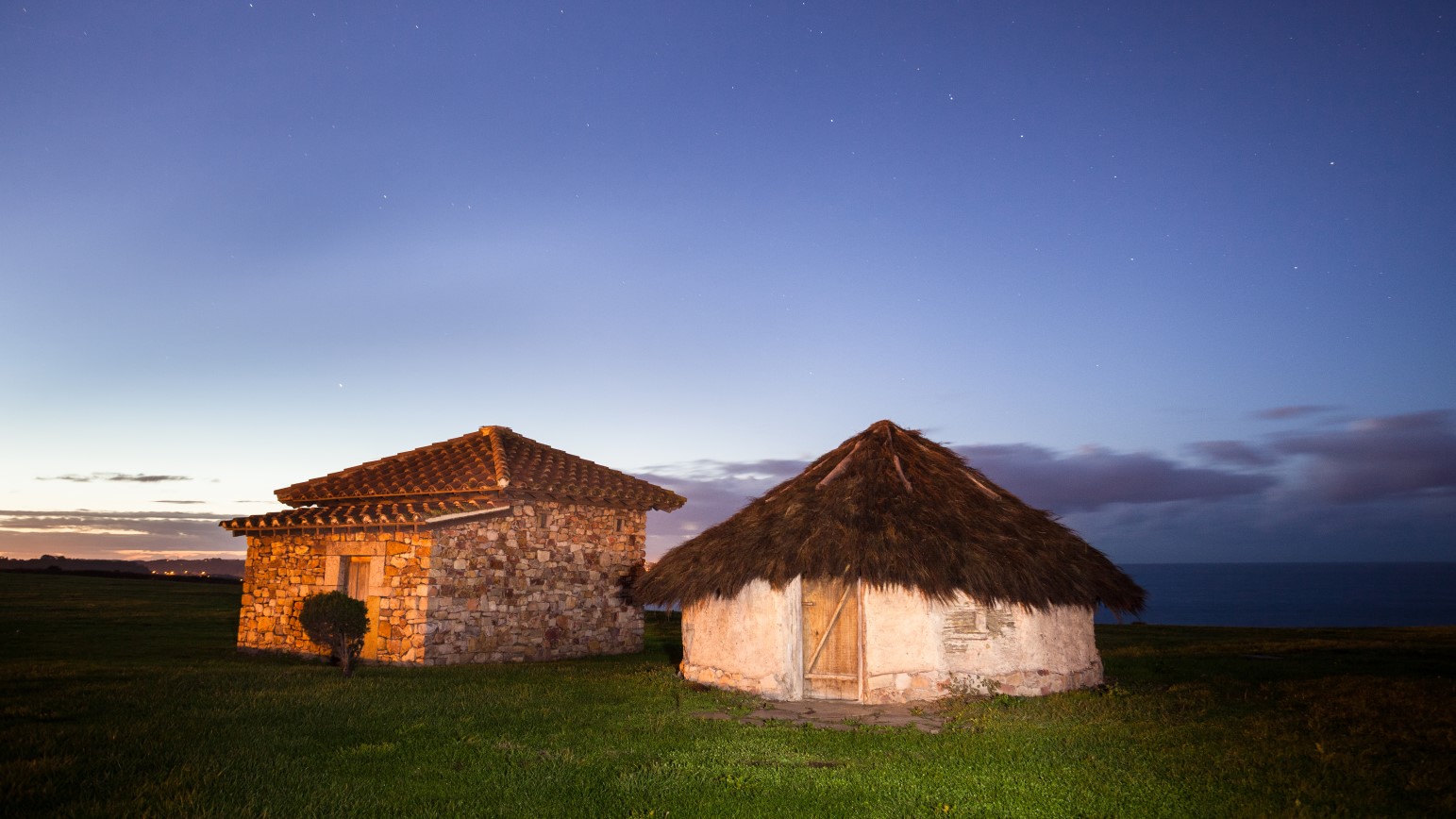
Mount Deva has hidden the origin of Gijón/Xixón underground for centuries. A secret that was revealed at the end of the 20th century, when excavations began that have to date revealed a necropolis made up of nine burial mounds and a quarry from which the Neolithic people extracted the large stone blocks with which some of the great tombs were built at least 5,000 years ago. Among the mounds discovered, those cataloged as Tumulus III and Tumulus V stand out.
Pre-Roman and Roman
Campa Torres and the Roman era
To better understand this site, it is advisable to previously visit the Campa Torres Archaeological-Natural Park, located in Cabo Torres, about seven kilometers from the center of Gijón/Xixón. This space, one of the main fortified towns in northern Spain (before 490 BC), provides information on Asturian protohistory and the transition from pre-Roman to Roman times, in addition to having a bird observatory and a viewpoint with views over Gijón/Xixón and El Musel, the city’s port. The historical walk takes the visitor to the Roman Villa of Veranes, twelve kilometers from the urban center and an example of stately housing from the Lower Roman Empire, and to the Roman Baths of Campo Valdés, located in Cimavilla, the upper neighborhood of Gijón/Xixón.
Medieval
The Romanesque and the Camino de Santiago
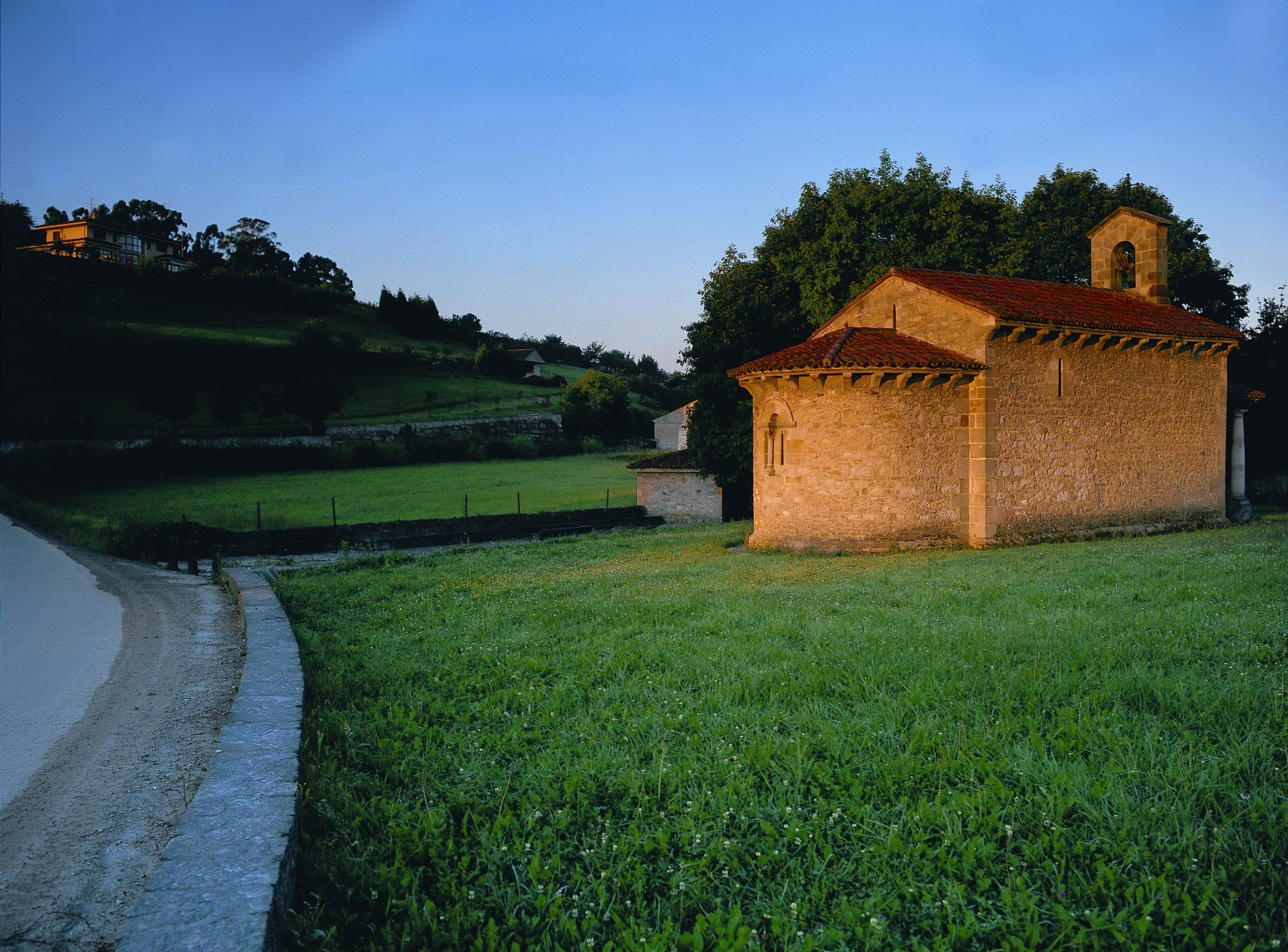
The Middle Ages appear in the dozen Romanesque churches that are preserved in the council and that attest to the importance that this area had on the Jacobean route that traveled back in the 10th century towards Santiago along the Cantabrian coast, the so-called Camino del Norte. Among them, the most outstanding are the Church of San Miguel in Castiello, located in a beautiful location; L’Abadía Cenero, the best Romanesque example of Gijón/Xixón; and San Salvador de Deva, one of the oldest Romanesque churches on the Iberian Peninsula.
Modern Age
Cimavilla and Illustration
At this time, the city was still limited to the population center of Cimavilla, located on the Santa Catalina hill, and it was not until the mid-16th century that it began to expand towards the south. The city’s quintessential fishermen’s neighborhood has been a witness and protagonist of the most significant historical events in Gijón/Xixón, from Roman times to the beginnings of industrialization.
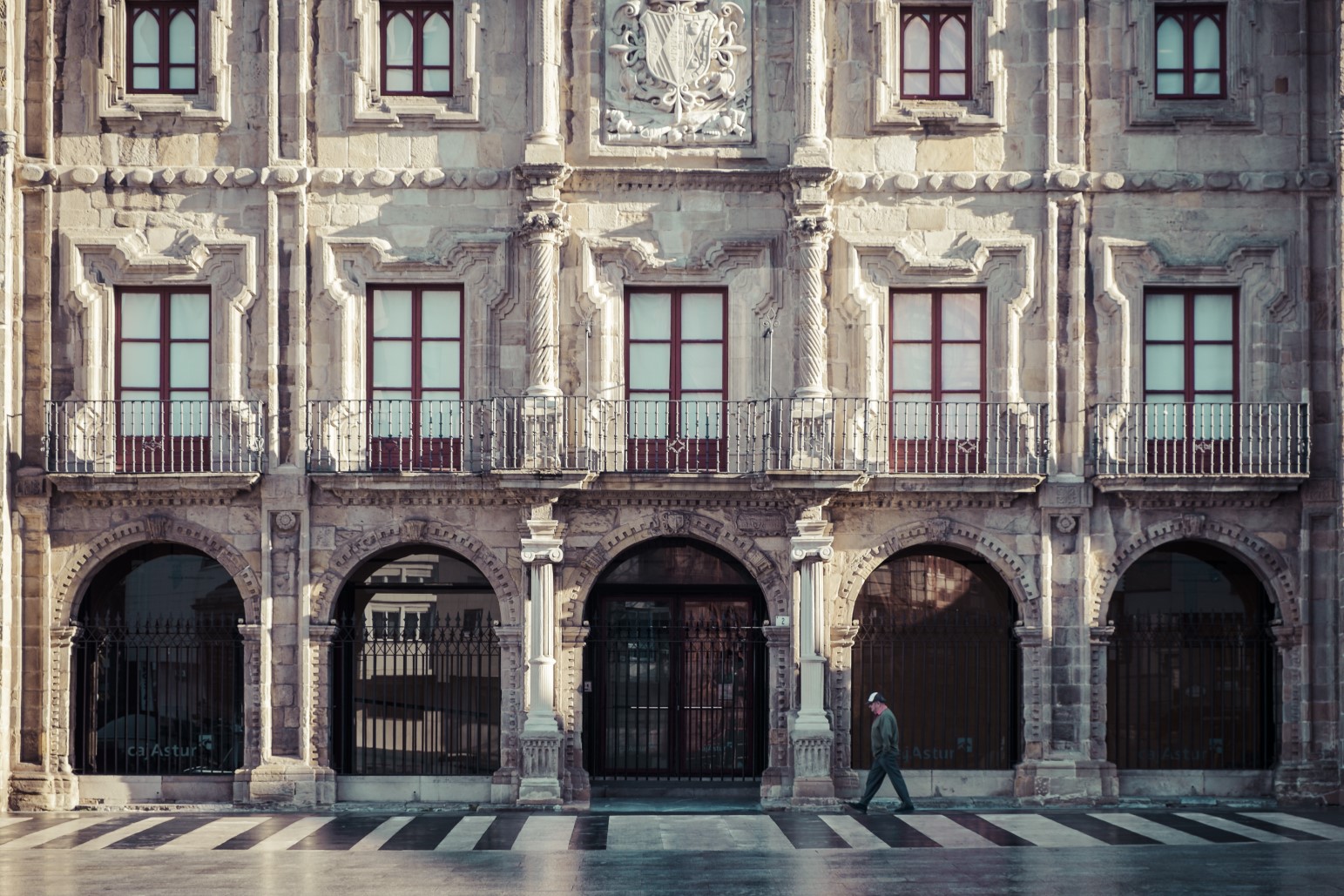
The streets of Cimavilla preserve significant monuments, such as the Valdés Palace, built in 1570 on the foundations of the wall itself, with two towers, a central body and a chapel at its left end; the Casa de Nava, from the 18th century; the Clock Tower, the Revillagigedo Palace and the Alvargónzalez House.
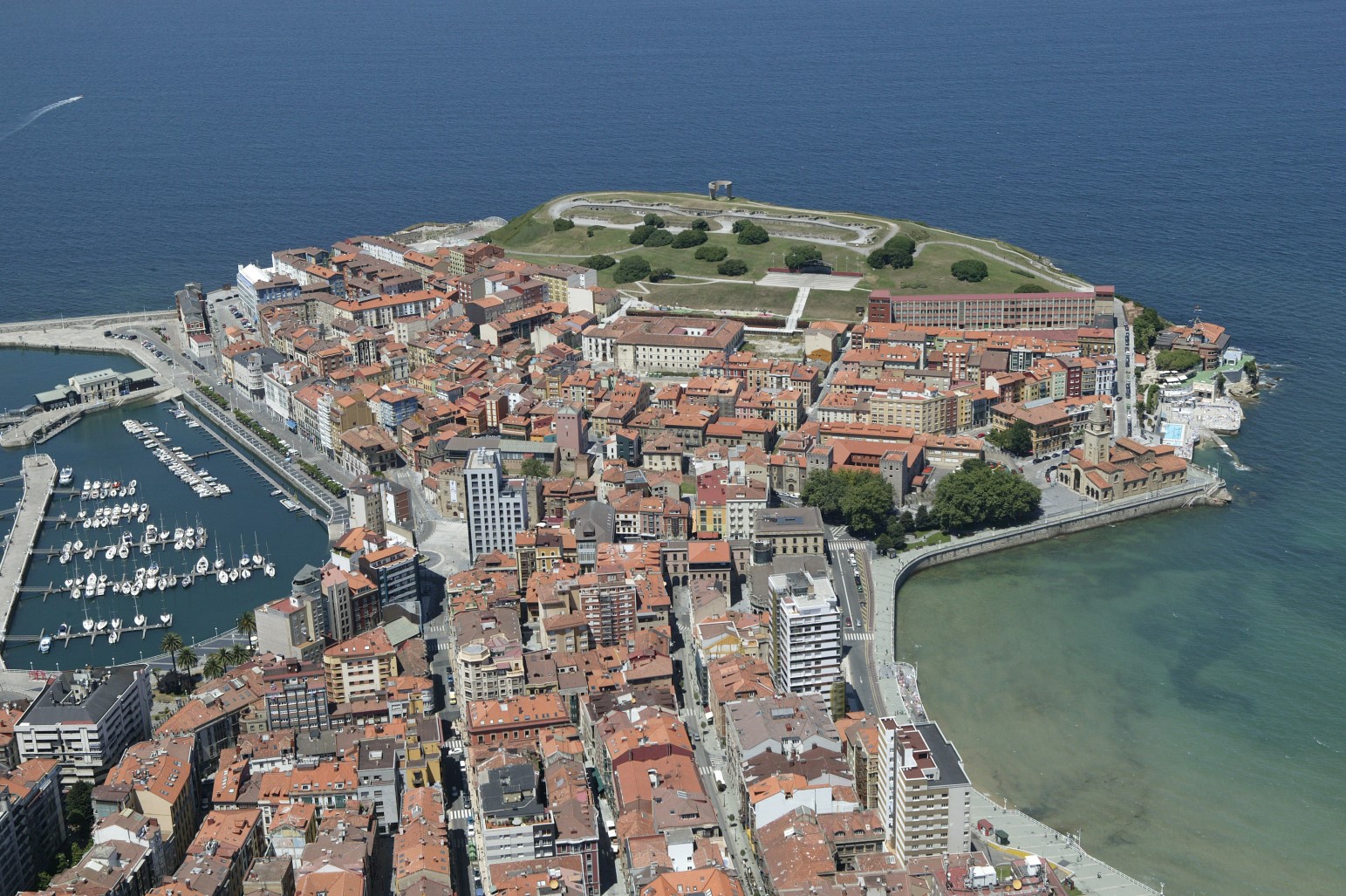
But in addition to paying attention to the Asturian palaces and mansions, you must also pay attention to the corners that speak of the Gijón/ Xixón sailor, such as the Chapel of La Soledad, built in the 17th century and former headquarters of the Seafarers’ Guild, or the Plaza del Periodista Arturo Arias, also called the Campu les Monxes and where two typical fishermen’s houses remain. In that same square, we find the old convent of the Agustinas Recoletas. In 1842, after its confiscation, the convent was transformed into a tobacco factory, which is why it became known as “La Tabacalera”. It was the first major industry in Gijón/Xixón and its workforce was made up of women.
But in Cimavilla also awaits the house and tomb of one of its most famous citizens of Gijón/Xixón: the enlightened Gaspar Melchor de Jovellanos, who would trace the axes of the city’s development that occurred during the 18th and 19th centuries. In it Jovellanos Birthplace Museum You can learn more about this key figure of the Spanish Enlightenment and visit his tomb in the Capilla de los Remedios.
Industrialization
Modernism and Industry
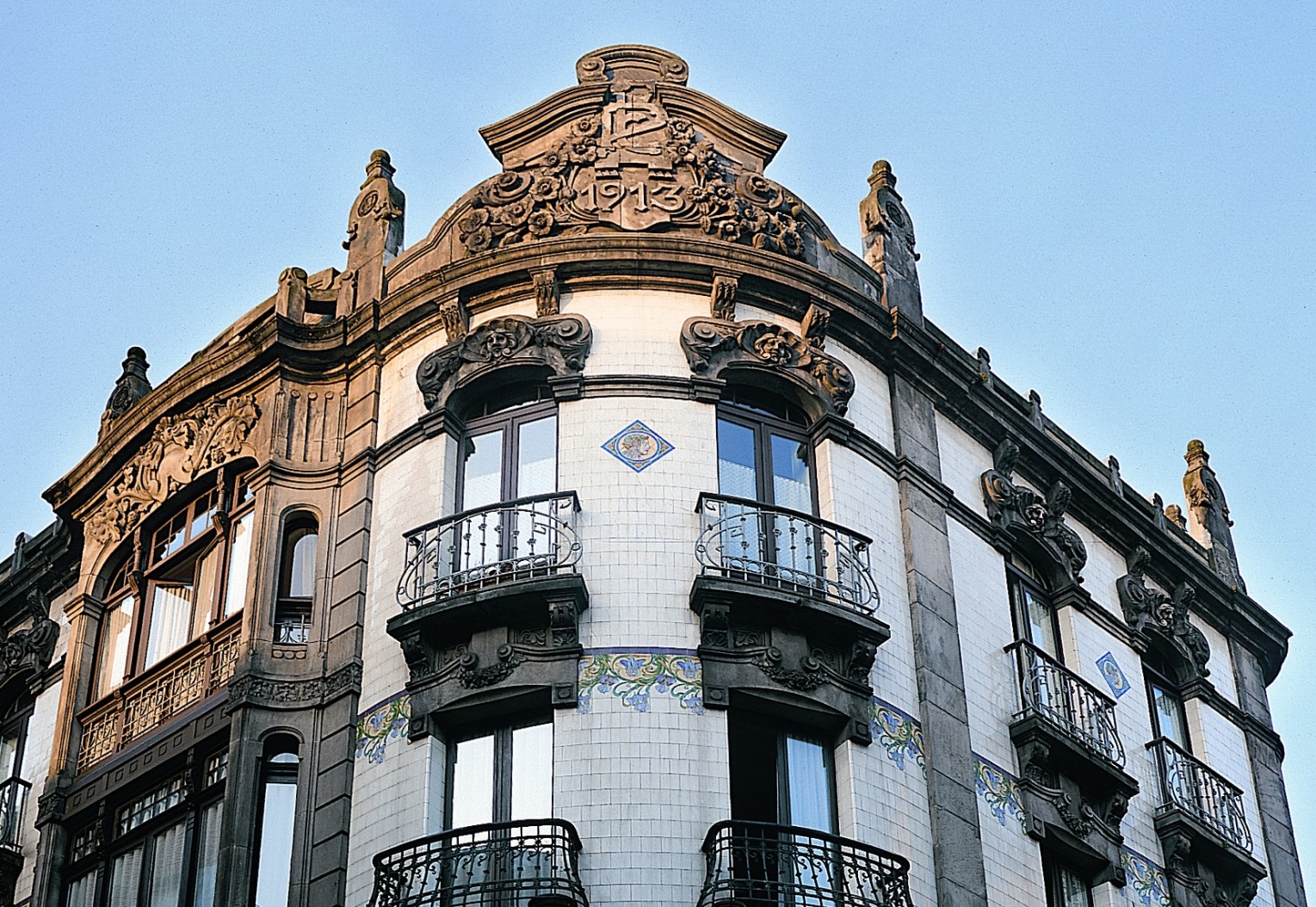
The industrialization process that occurred from the middle of the 19th century turned the city into the industrial center of Asturias with the powerful Port of El Musel, shipyards and abundant manufacturing facilities. With it came new architectural movements, such as Modernism, which in Gijón/Xixón would coexist with the trends of Eclecticism, Historicism and Regionalism. The surroundings of Corrida, Jovellanos, Munuza, Cabrales, Instituto, Moros, Trinidad and San Bernardo streets are home to some of the most representative buildings, such as the Church of the Sacred Heart of Jesus, the Ladislao Menéndez Chalet, the building of the old Café San Miguel or those built at number 2 of Jovellanos, number 16 of Instituto Street or numbers 1 and 8 of Corrida Street. Entering the arts, it is advisable to complete this historical walk by visiting the Nicanor Piñole Museum and the Evaristo Valle Museum Foundation, both collections with a wide sample of the work of these Gijón artists from the early 20th century.