
Route along the most traditional and largest beach in Gijón/Xixón until you reach the most characteristic sculptures found in the surroundings of the Rinconín park. Due to its length, it is projected in two sections (3.3 km).
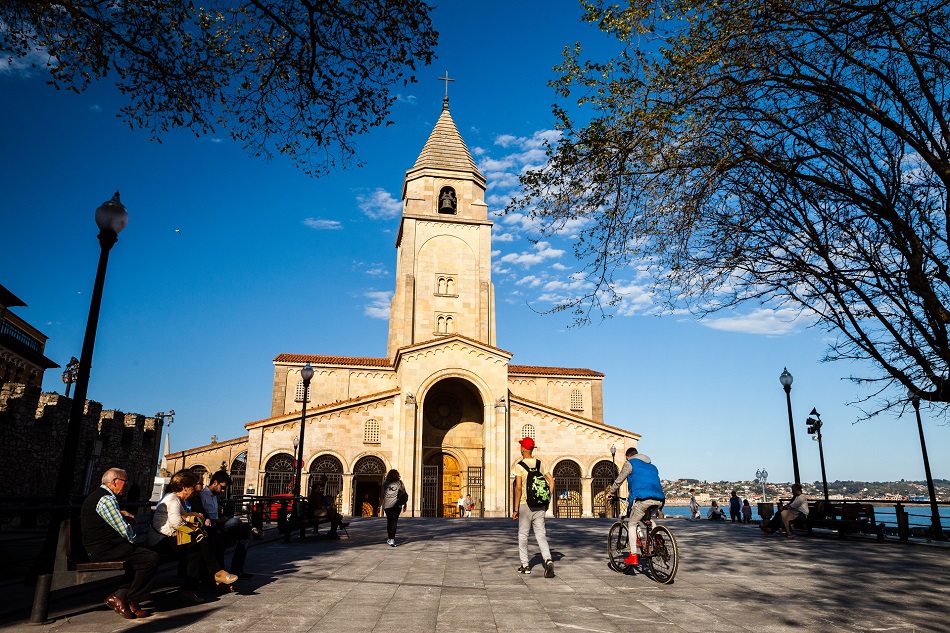
Church of San Pedro Mayor Apostle of Gijón/Xixón
Built between 1945 and 1955 by the architects Francisco and Federico Somolinos, it occupies the site of the 15th-century temple that functioned as the city’s parish church until the end of the 19th century. It is inspired by the Asturian pre-Romanesque temples, from which it takes the perpendicularly superimposed vaults, the slender buttresses, the raised transept and decorative elements
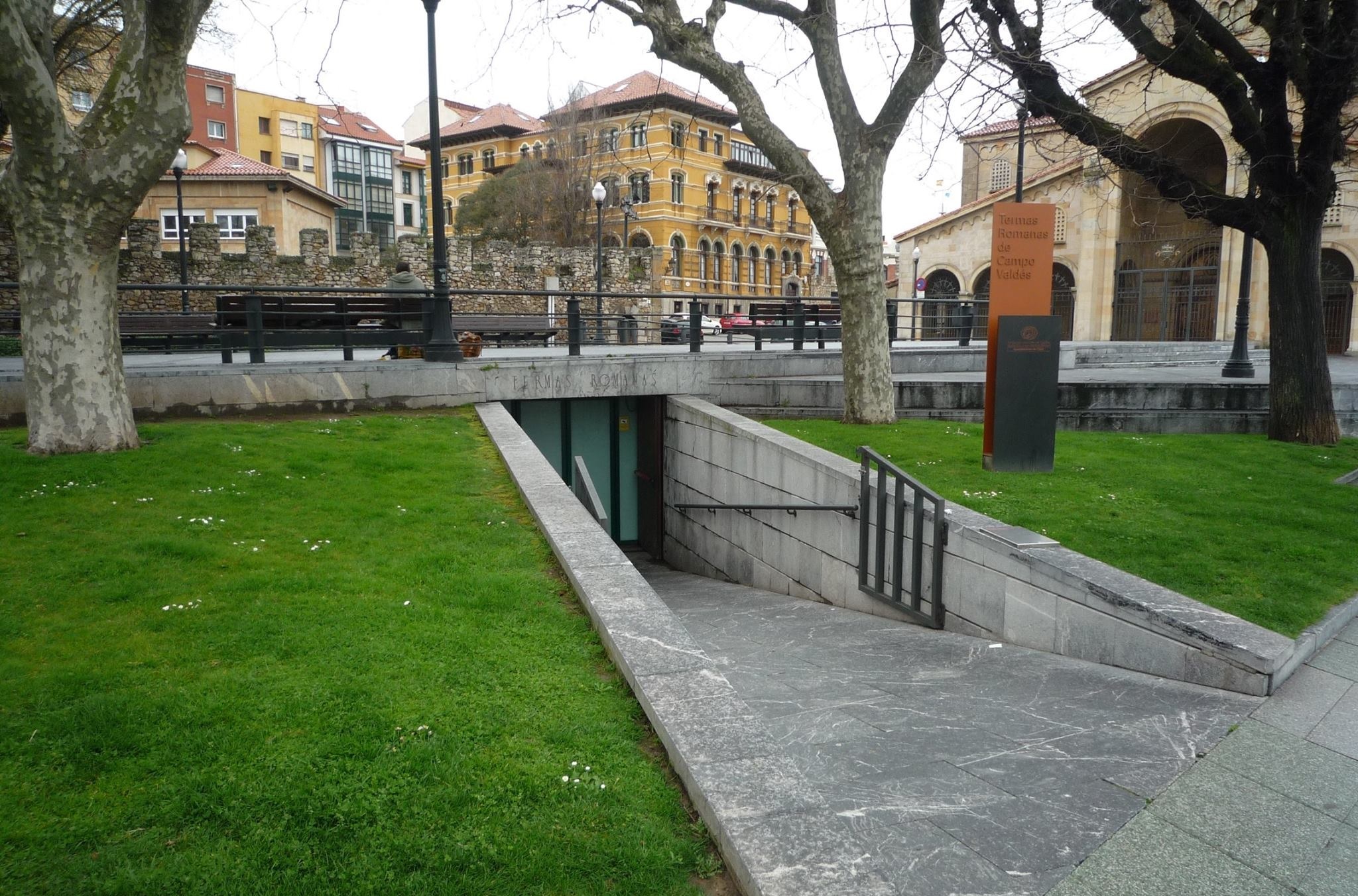
Roman Baths Museum of Campo Valdés
This museum houses the remains of the public baths that existed in the city. Today we can see the succession of cold, temperate and warm environments, as well as the rooms for steam baths and a series of decorated rooms. Inside we can also see the remains of the wall from the third century AD.
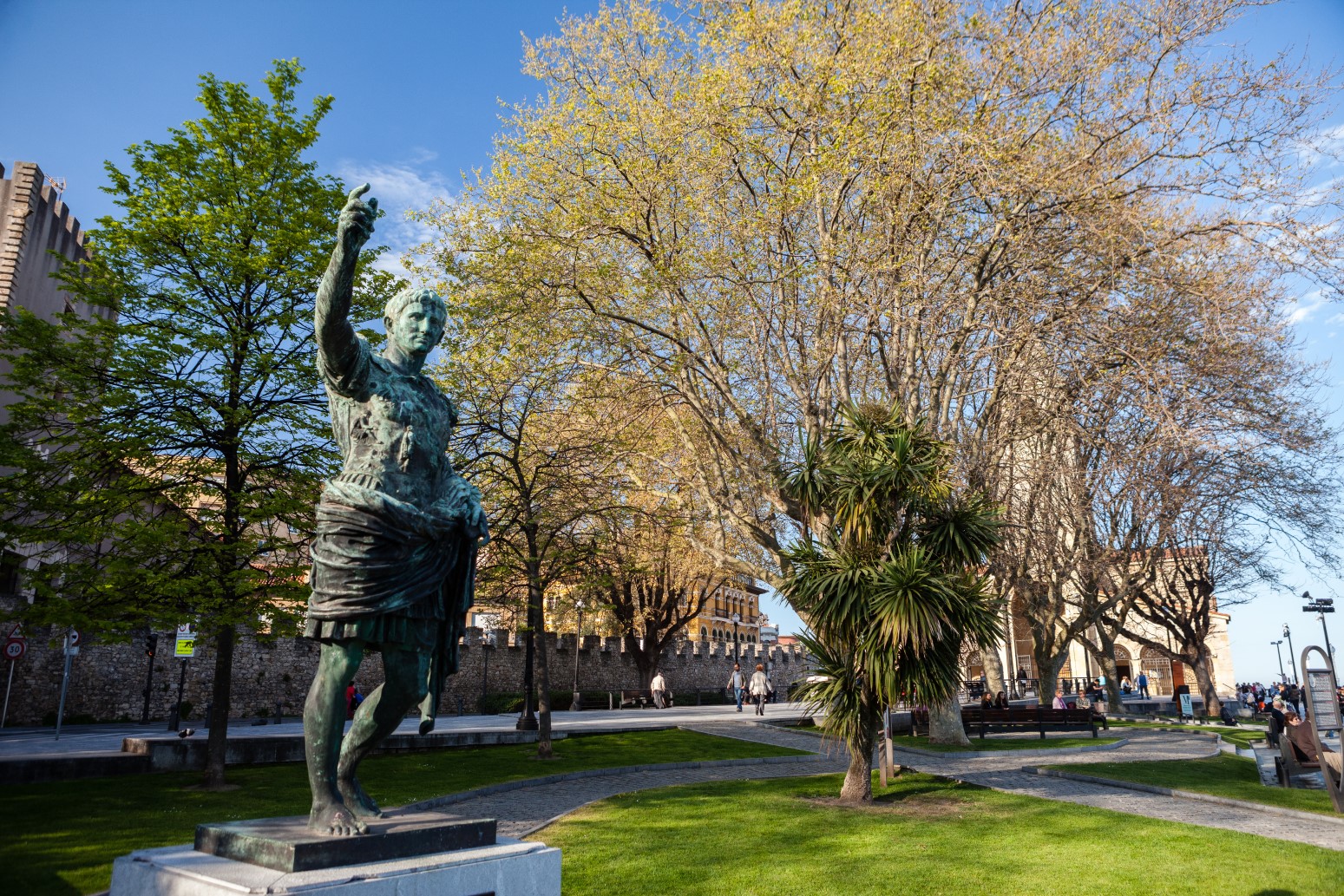
Valdés Field
Campo Valdés was a meeting place for the people of Gijón/Xixón, but especially for the people of Cimavilla. In the centre of Campo Valdés, we can intuit, on the ground, the plot of the Roman wall, which surrounded, for 850 m., the Cimavilla neighbourhood in its lower part. We also find the Palace of Valdés and the statue of Caesar Augustus, the great conqueror of these lands.
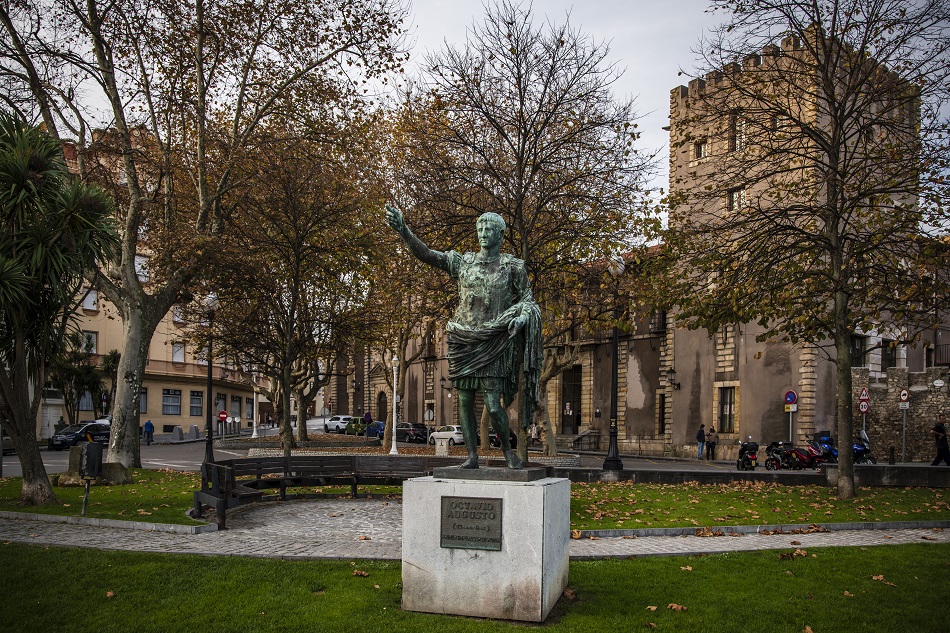
Palace of the Valdés
It is an example of an Asturian Baroque palace. It was built in 1570 on the foundations of the Roman wall and was the residence of the Gijón nobility, such as the Valdés family. At the end of the nineteenth century the building was used as a tobacco factory and customs office and, today, it is a private educational center.
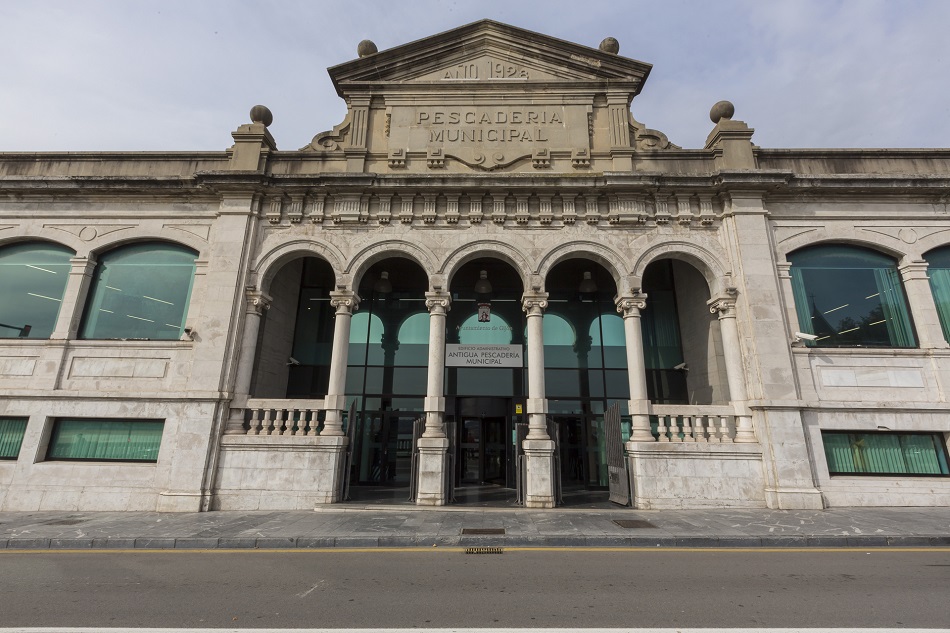
The Old Municipal Fishmonger
Work by Miguel García de la Cruz (1928-1930) promoted by the city council. With an interior concrete structure, the fishmongers had individual stalls with water supply and natural light that facilitated the handling and sale of fish in hygienic conditions, both in retail and in restaurants in the city. For some years it has housed municipal administrative offices.
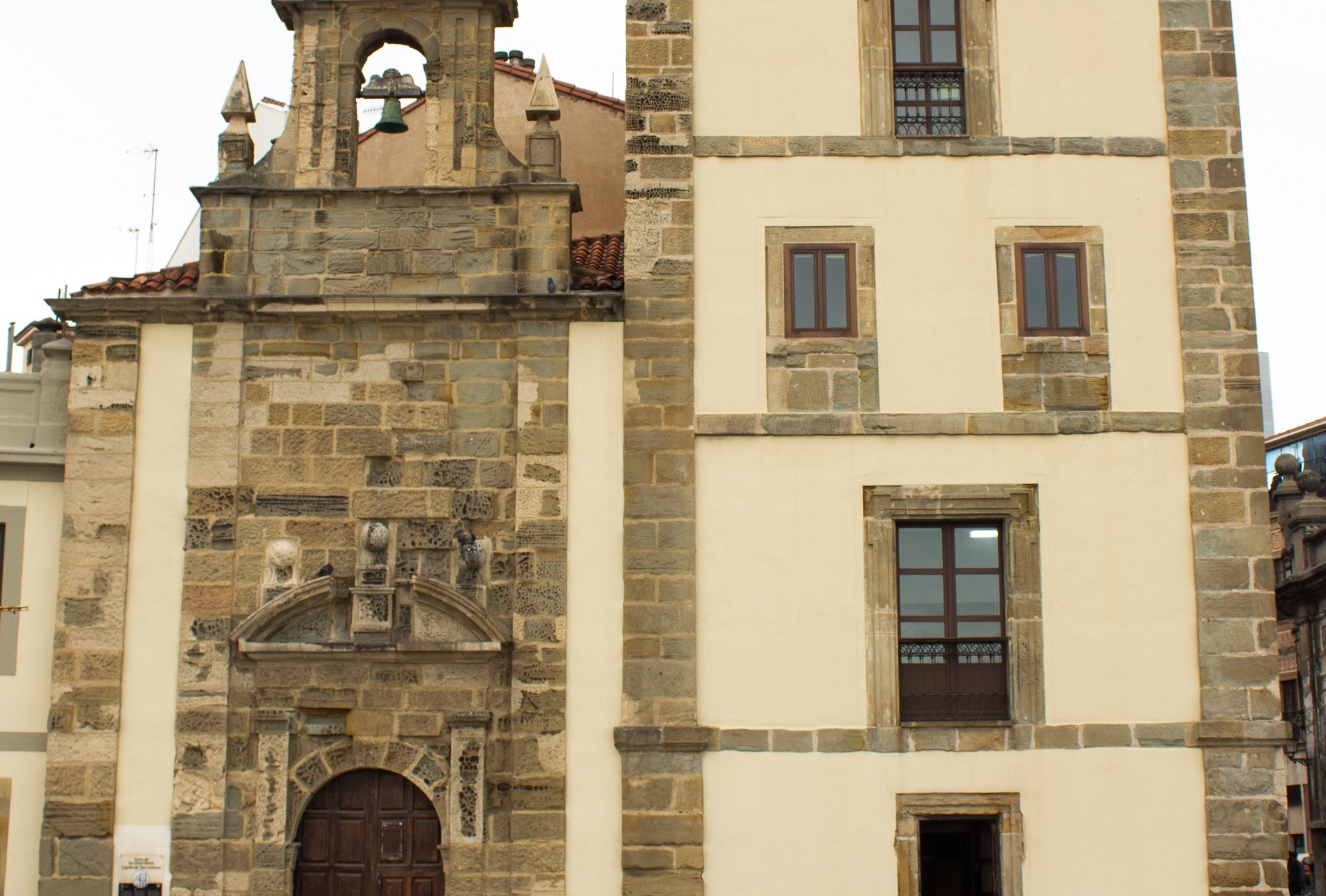
The Chapel of San Lorenzo and Torre de los Jove-Hevia.
Next to the first wall on the sandy area of San Lorenzo, in 1667, the Tower of the Jove-Hevia and the chapel of San Lorenzo were built, which involve the fusion of civil and religious Baroque architecture. The fabric of the chapel that gives its name to the beach is made of sandstone ashlars, which are worn by the effects of saltpeter and sand. It currently houses artistic exhibitions.
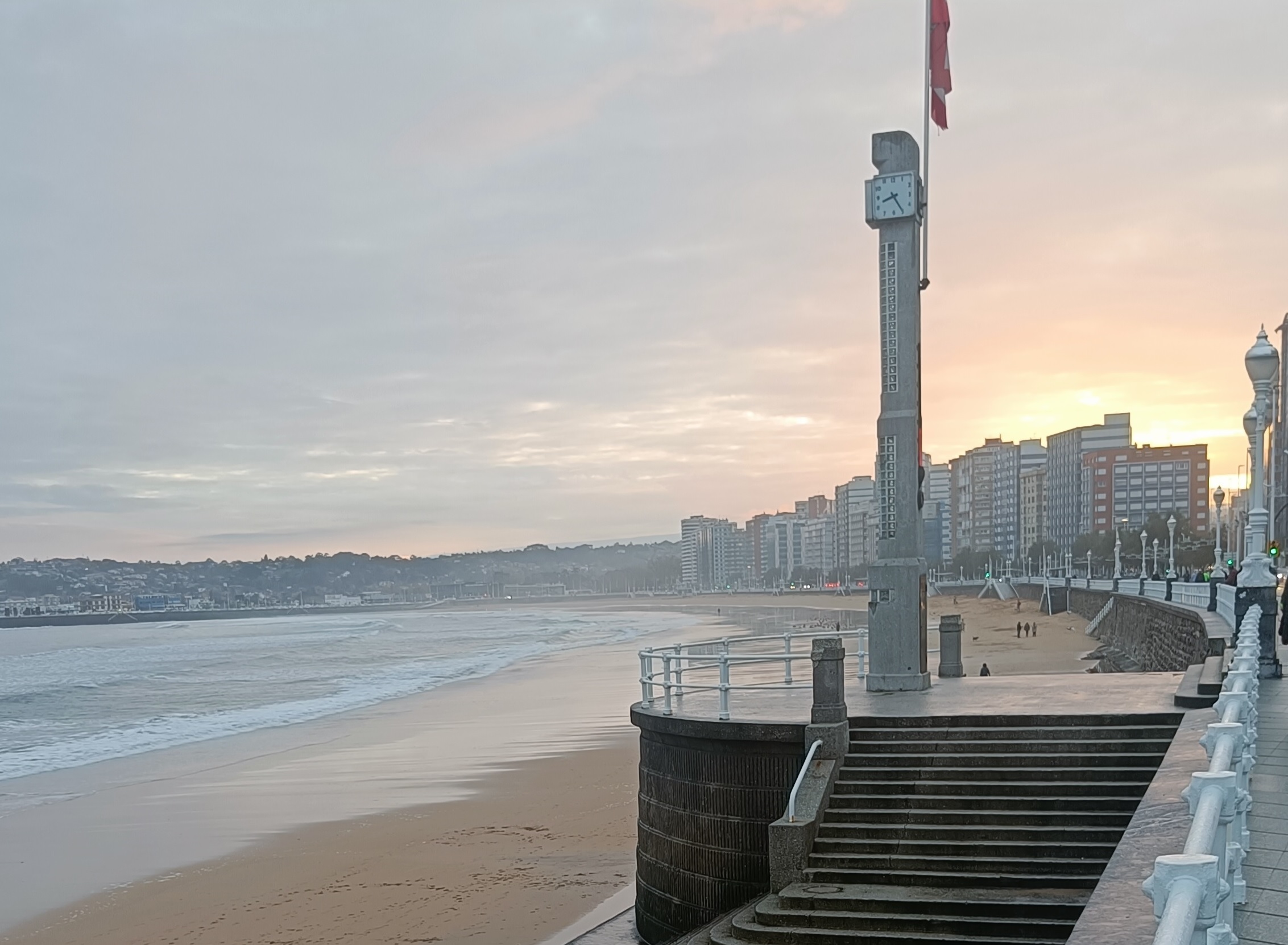
La Escalerona – Escalera 4
Access to the San Lorenzo beach is through 16 stairs, among them, number 4, popularly baptized as La Escalerona for its monumental character. Since its inauguration on July 15, 1933, the monumental staircase to access San Lorenzo beach was a source of pride and also a symbol for the people of Gijón. Always crowned with the flag of Gijón/Xixón, it contains a clock and weather information.
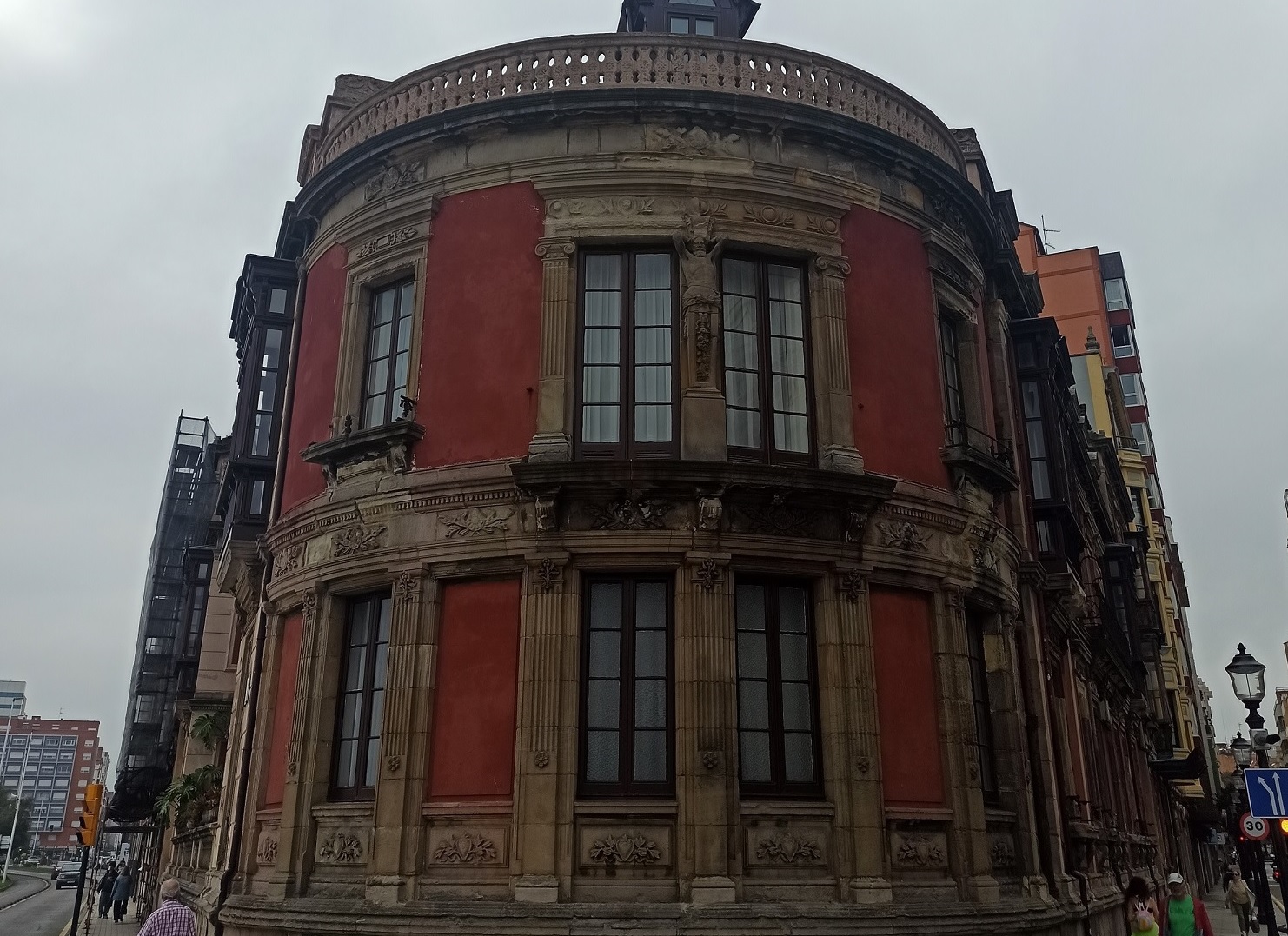
The Hammer of Capua
Architectural complex that enjoys comprehensive protection in the current urban planning catalogue. It receives this name due to the “pressure” exerted by Capua Street on the promenade of San Lorenzo beach, modifying its alignment and reducing its width considerably. It shows a façade of eclectic lines and detailed design, with elements such as pilasters, domes, arches, pediments, corbels, caryatids, etc.
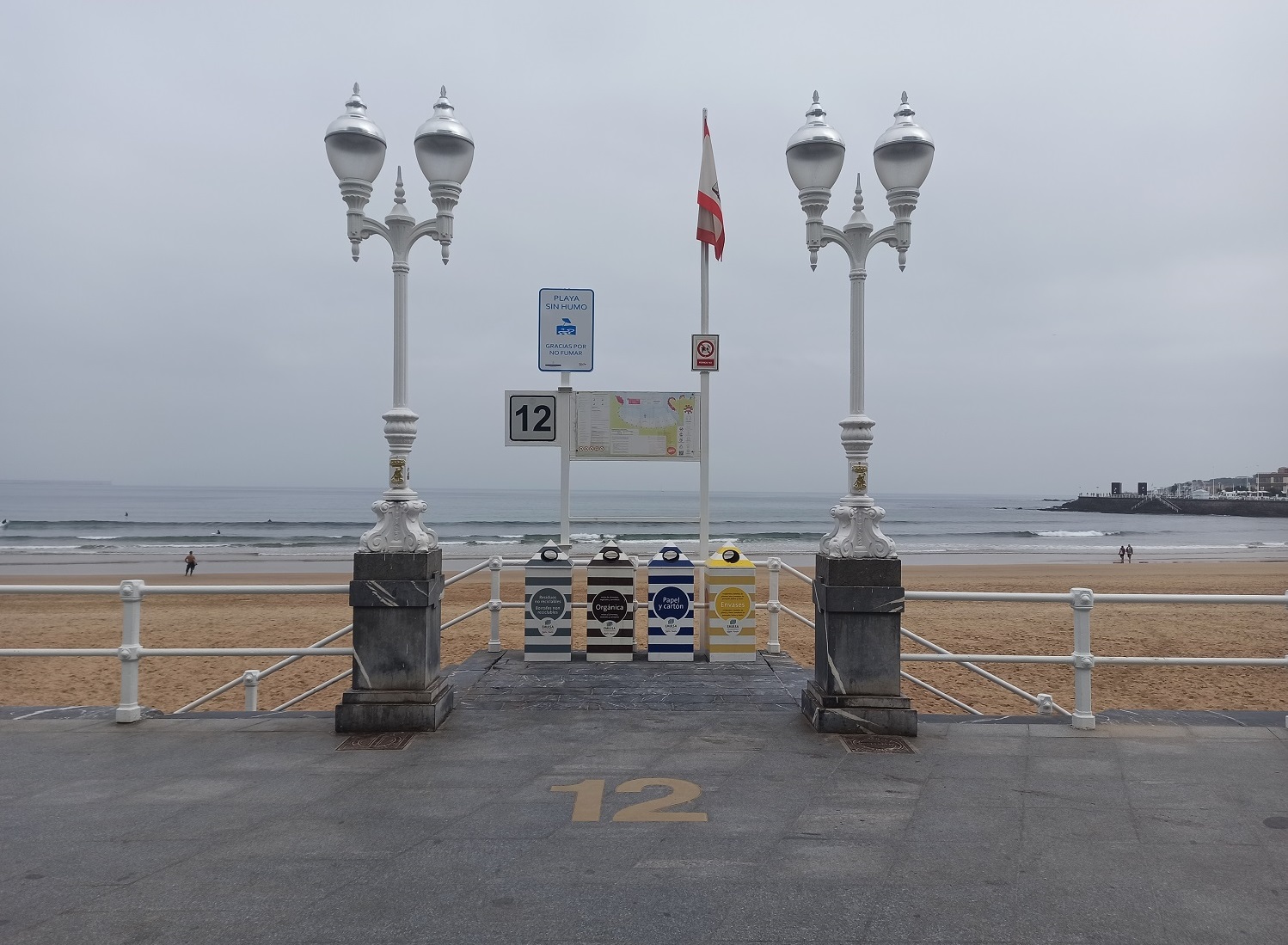
Wall of San Lorenzo – Staircase 12
A traditional meeting point for bathers, coinciding with the facilities of the Salvamento del Arenal team. The periodic announcements by public address system from this point on the temperature of the water and the tide schedules are classic, also to pick up children who have become disoriented in the midst of fun on the beach.
Section 2
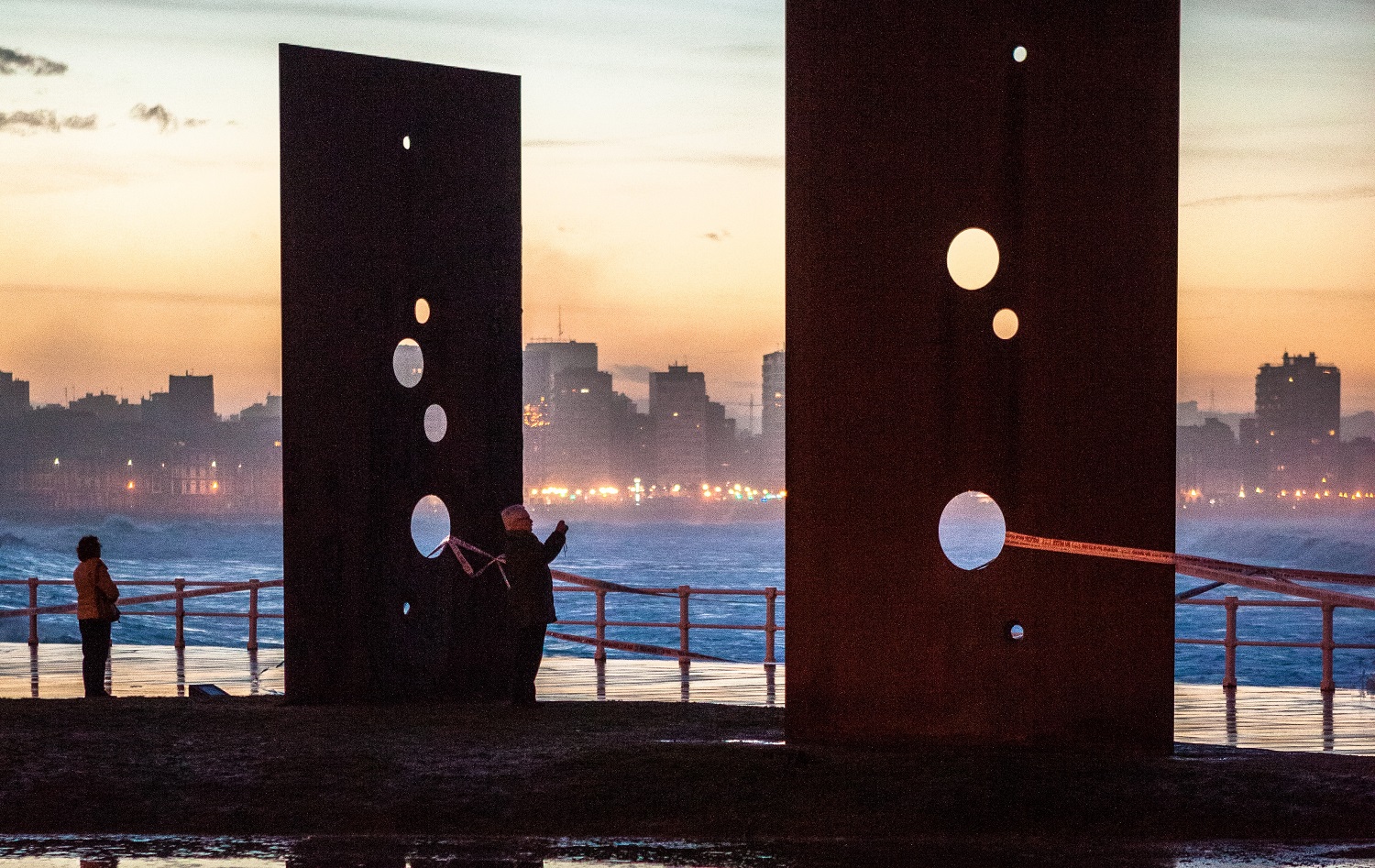
Sculpture “Shadows of Light”
The work of the sculptor Fernando Alba it consists of four monumental rectangular plates, popularly known as “Las Chaponas”, made of corten steel and about five meters high, arranged in a vertical position and oriented to each of the cardinal points. Each plate has been perforated in circles of different diameters by which the light recreates different shadows depending on the time of day.
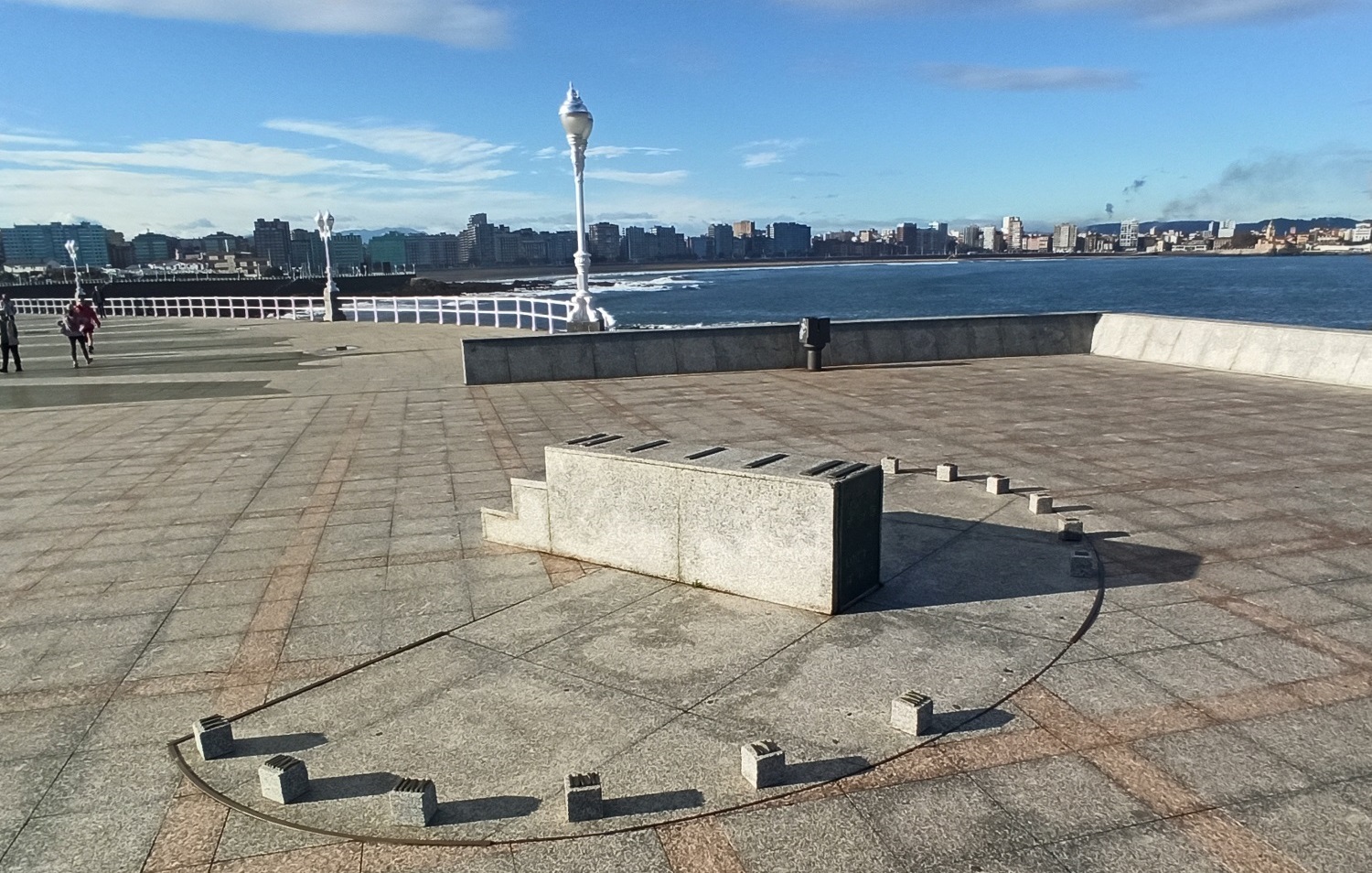
Sundial
Climb the stairs to this pedestal, place your heels on the date closest to today, and your shadow will be cast on one of the cubes on the floor that have numbers marked on them, giving you the time in a special way.
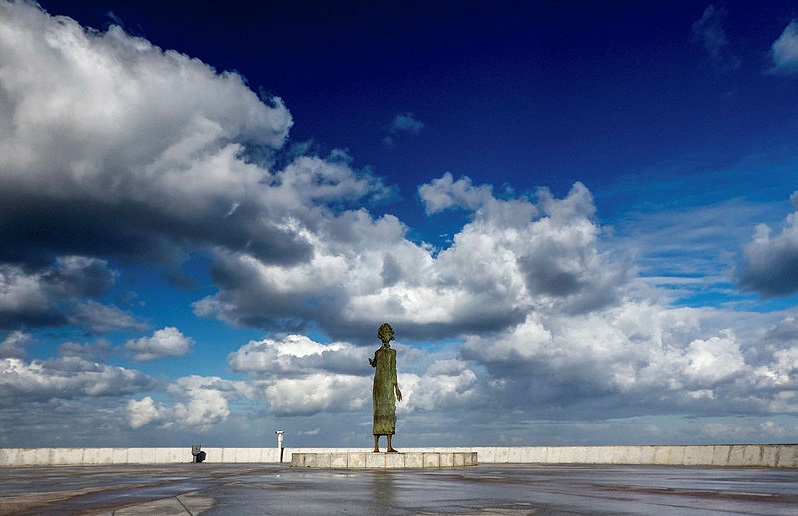
Sculpture “The Mother of the Emigrant”
Bronze monument inaugurated on September 18, 1970, commissioned by the National Institute of Immigration together with the Asturian Government and the City Council of Gijón/Xixón to the sculptor Ramón Muriedas. Strongly symbolic in the city, its expression and body language reflect the drama of a mother who sees her son leave for an uncertain future on the other side of the Atlantic.
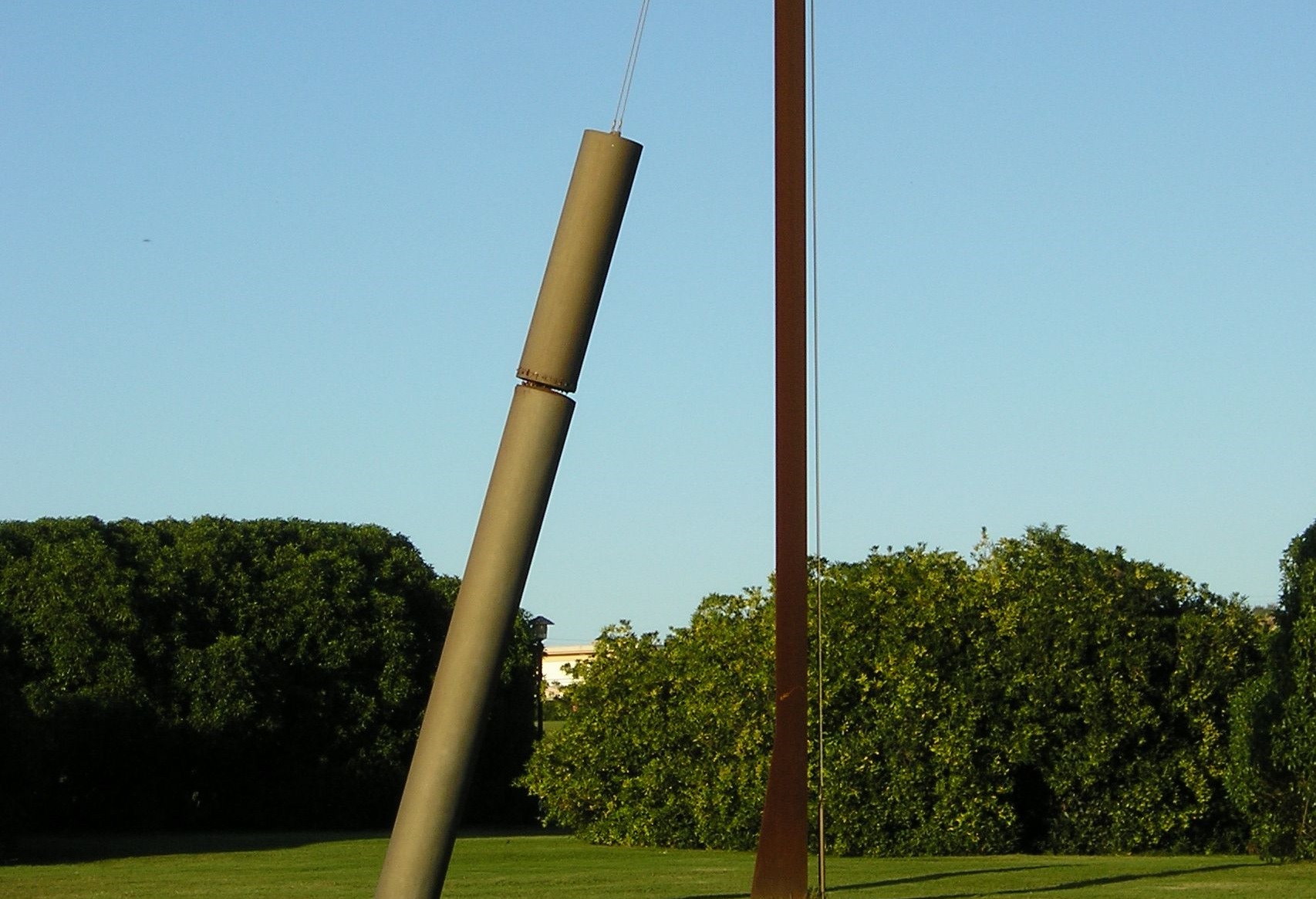
Sculpture “Weightless Balance”
In 2001, the sculptor Herminio Álvarez captures in this geometric piece of 12 meters of corten steel and stainless steel a seemingly impossible balance. The force of gravity is balanced with the magnetic force, producing a work in tension and harmony at the same time.
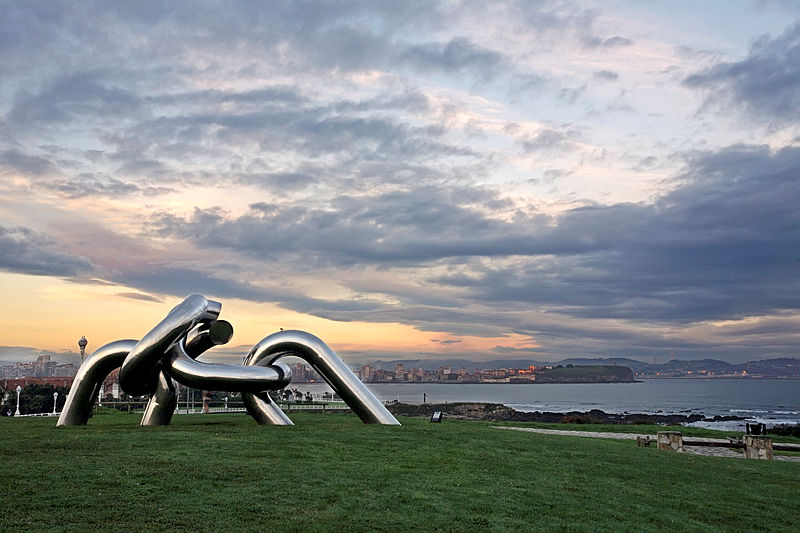
Sculpture “Solidarity”
The artist Pepe Noja symbolizes through this work from 1999, composed of four cylindrical shapes of stainless steel as links that intertwine and form a chain that signifies union and freedom at the same time, since the opening of the links allows them to preserve their autonomy and independence.