

Cimavilla is a witness and protagonist of the most significant historical events in Gijón/Xixón. Cimavilla, the upper neighborhood, keeps in its streets monuments and personal stories that are indelible traces of fishermen, cigar makers, soldiers, artisans who were born, lived and worked here. In short, ‘beach’ men and women, which is how those born in this neighborhood are known.
Museum of the Roman Baths, (1st-2nd century AD)
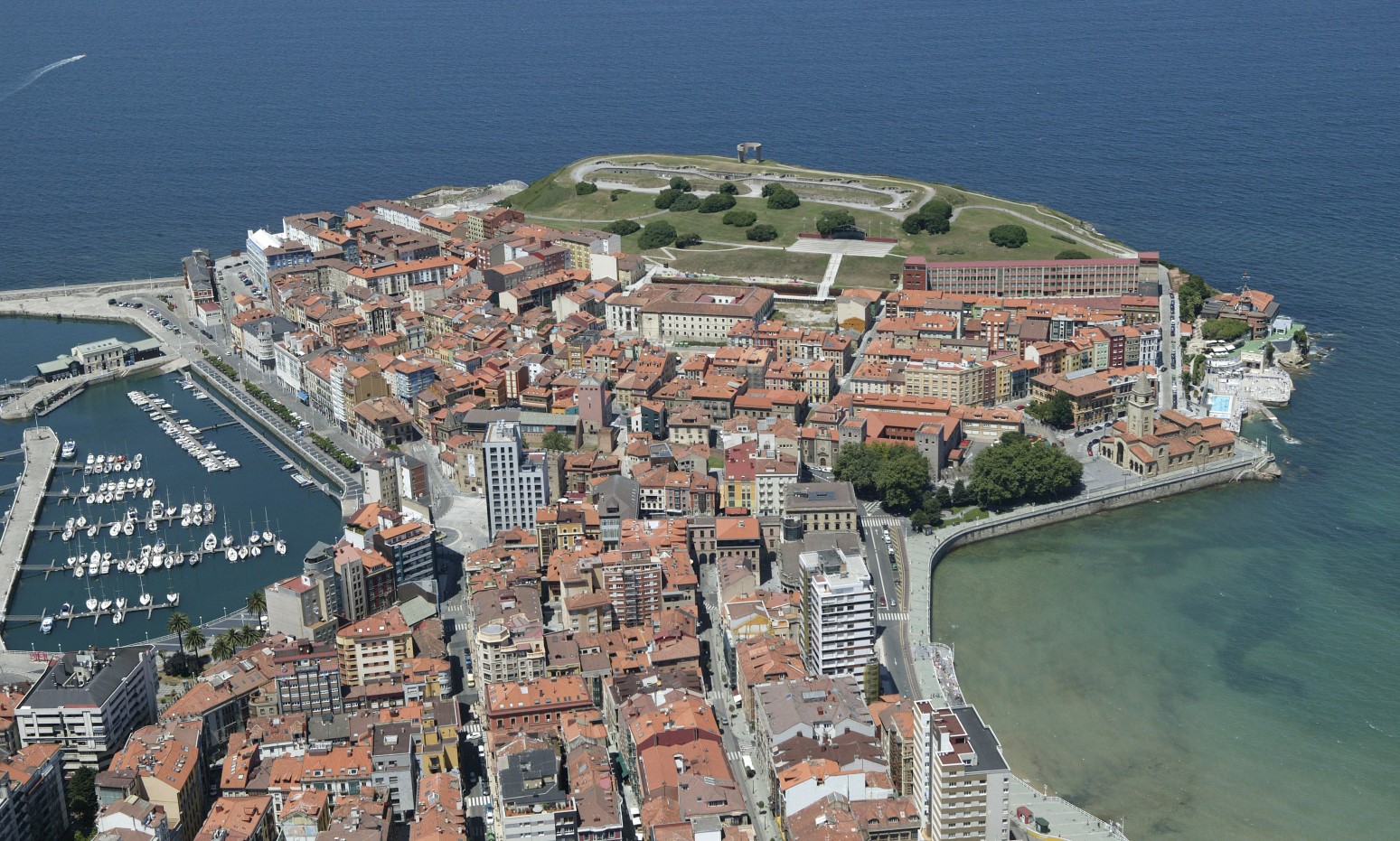
The Museum of the Roman Baths houses the remains of the public baths that existed in the city. Today we can see the succession of cold, temperate and warm environments as well as the rooms for steam baths and a series of decorated rooms. Inside we can also see the remains of the wall from the third century AD.
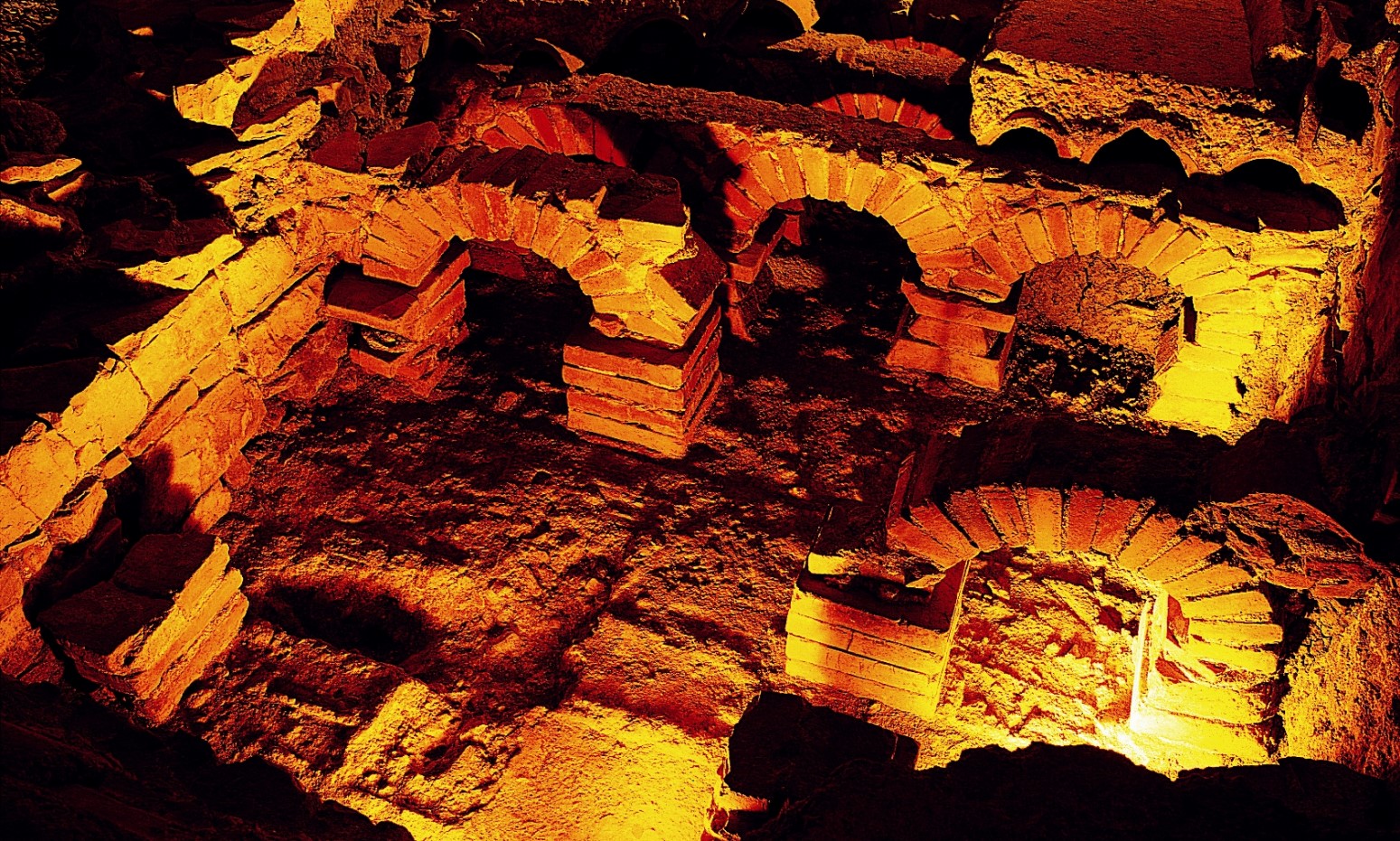
https://www.gijon.es/es/directorio/edificio-casa-paquetCURIOSIDAD: in the style of the Pompeian baths, it was a public building, which could be accessed by all citizens, and which was frequented throughout the afternoon, combining baths with other activities related to leisure and hygiene
In addition to this Roman past, so present in other parts of the city, there are vestiges of the nobility, such as the Valdés Palace, of Baroque typology or the Birthplace of Jovellanos, where the enlightened Melchor Gaspar de Jovellanos was born.
Jovellanos Birthplace Museum
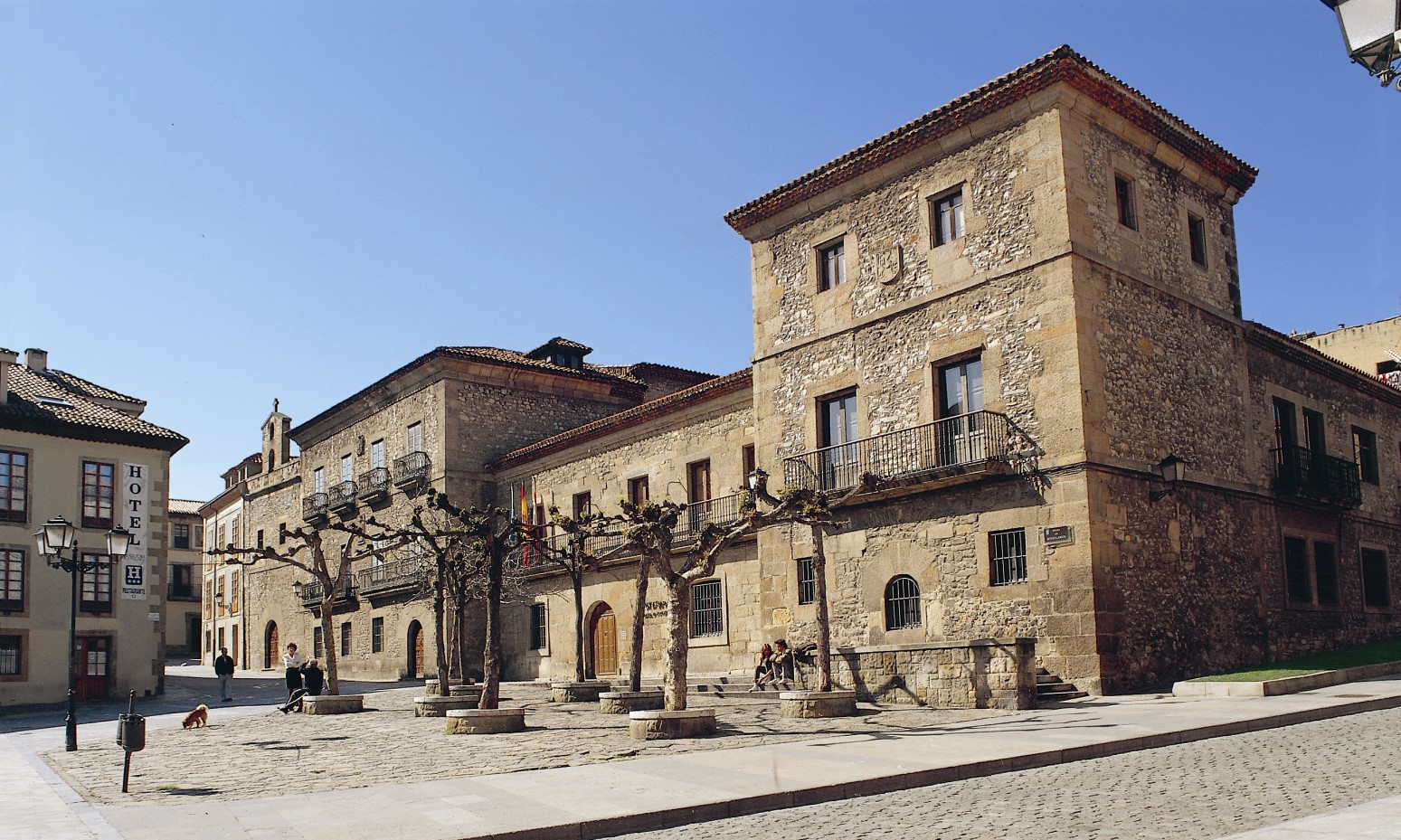
Jovellanos was a jurist, academic, economic reformer, statesman, poet and playwright, who worked in the courts of Charles III and Charles IV, and to whom Gijón/Xixón “owes so much”. The museum is divided into two parts, one intended to commemorate the figure of Jovellanos and the other dedicated to contemporary Asturian painting and sculpture.
FUN FACT: on the top floor of the museum we find the “Altarpiece of the Sea” by Sebastián Miranda, which represents a scene of daily life in the fishermen’s neighbourhood of Cimavilla. There are 156 portraits of the residents of the neighbourhood to whom the artist paid 1.50 pesetas to be portrayed.
We can easily imagine Jovellanos walking through the steep streets of Cimavilla, which would not have looked very different from the one they have today, and approaching the chapel of Los Remedios, from the end of the sixteenth century, where his remains rest today. Pilgrims who opted for the coastal route to reach Santiago also passed through Cimavilla. At the Pilgrims’ Hospital they received the necessary care to recover from such an arduous journey.
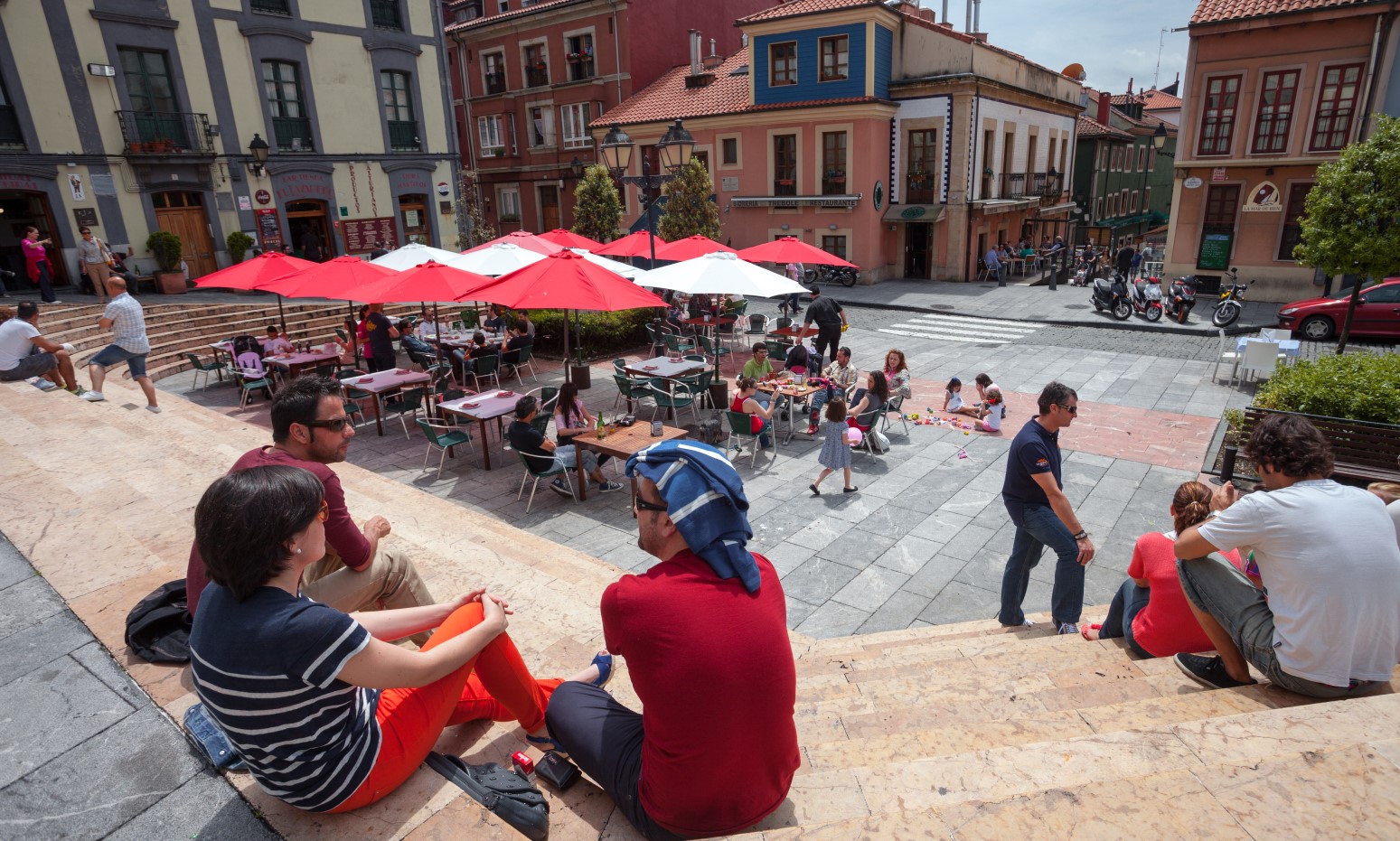
Today, in the surrounding streets and squares we find a good number of cider houses and restaurants where you can enjoy the typical Gijón gastronomy and make a stop on our way. We continue towards the highest part of the neighborhood, the Plaza del Lavaderu, once a meeting place for women to do their laundry and which today is filled with terraces in good weather, where you can enjoy a culín de cider and chat with friends.
Plaza del Lavaderu
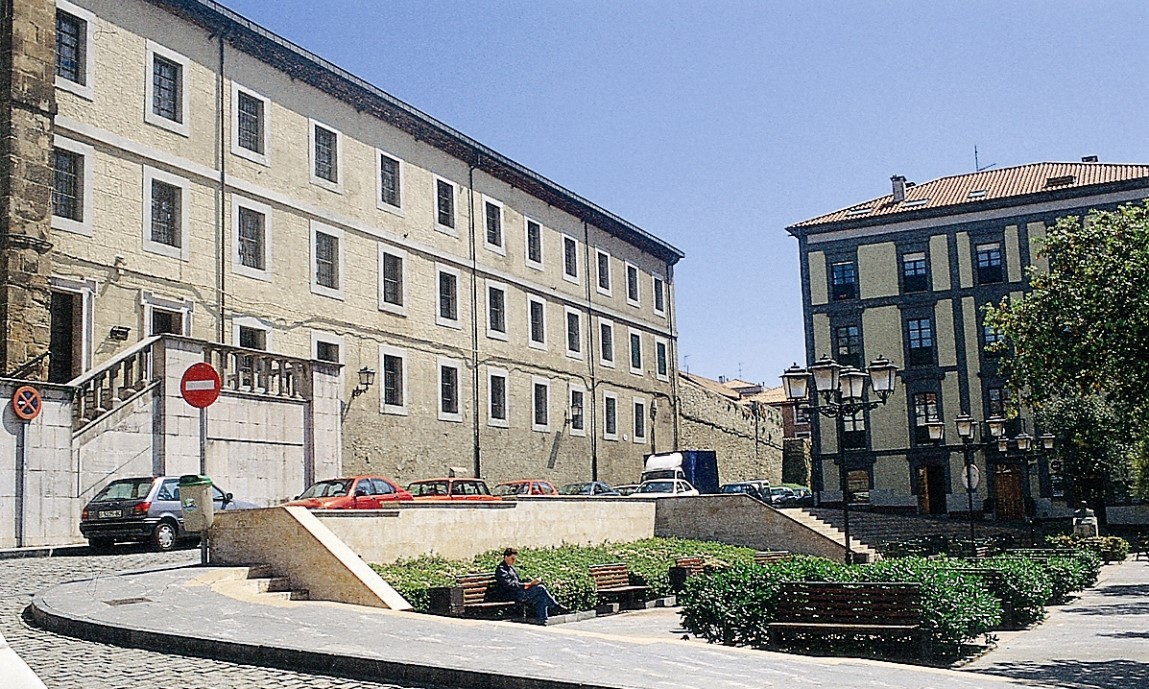
Its real name is Plaza Periodista Arturo Arias, but it is also known as ‘Campo de las monjas’ because the building of the old Tobacco Factory was previously a convent. The recovery of the building is currently in the works.
FUN FACT: The tobacco company gave work to many people in the neighborhood, especially women, known as ‘cigarrerres de Cimavilla’. These women, linked until then to the work of family fishing, saw in the factory the possibility of carrying out a job independent of their husbands.
If we have already regained strength, we can continue walking through narrow streets towards the Cerro de Santa Catalina.
Santa Catalina Hill
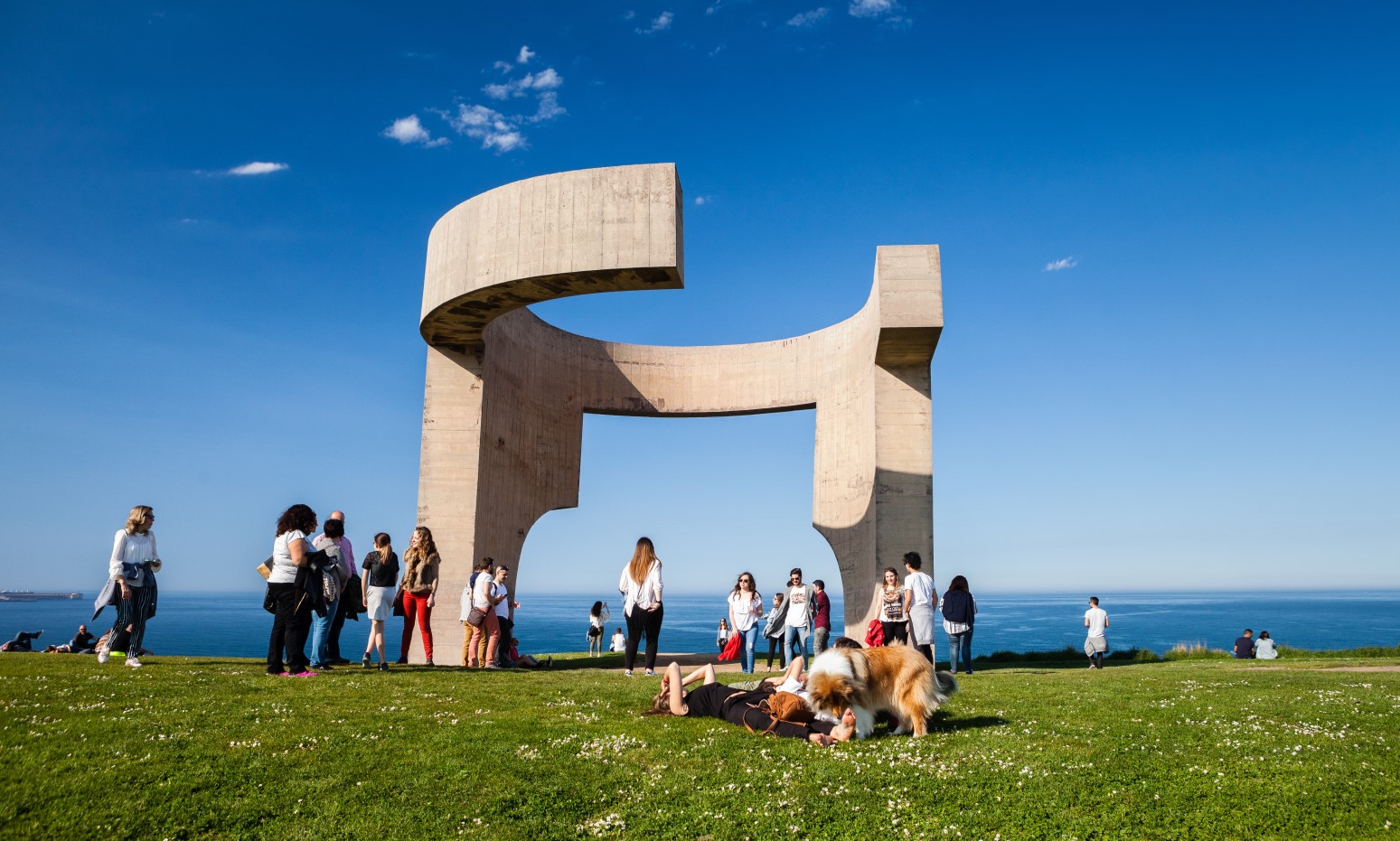
The most emblematic point of the hill was the one chosen by the Basque artist Eduardo Chillida to place (in 1990) his work In Praise of the Horizon, a huge concrete sculpture that, with its back to the city and looking at infinity, seems to embrace the sea, the air and welcome the sailors. Contradictorily “full of emptiness”, this work was conceived to be admired from the inside, where an impressive conch shell effect is created when the echo of the sea is heard.
FUN FACT: although the avant-garde of the “Elogio del Horizonte” caused an initial rejection, Chillida’s work is today an indisputable symbol of the city.
On our descent towards the marina, we find Nordeste, a sculpture by Joaquín Vaquero Turcios. The northeast is the most anticipated wind in Gijón/Xixón during the summer, as it pushes and sweeps the clouds from the sky and ensures a sunny day. On the contrary, during the winter it is a cold, humid and cutting wind.
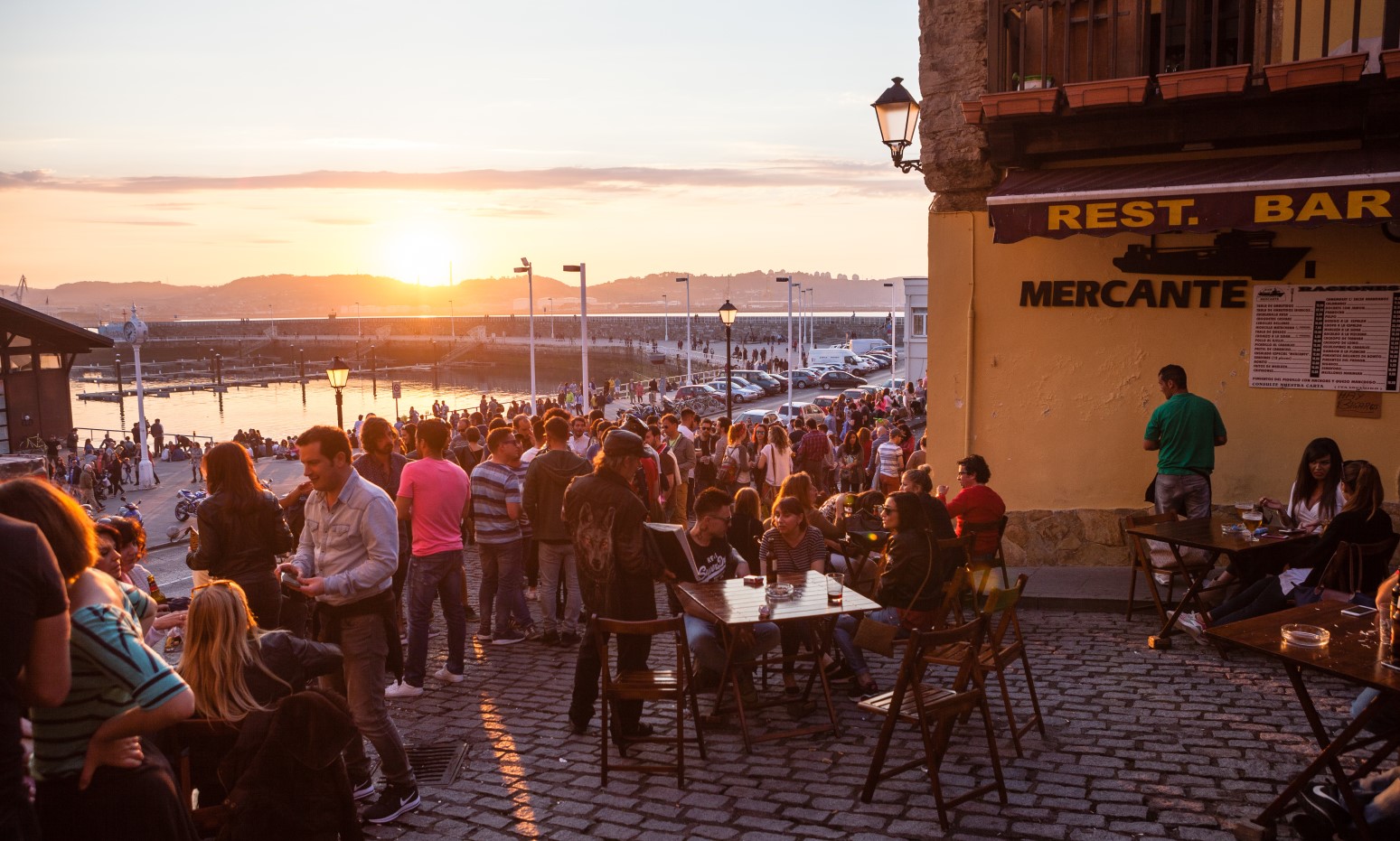
Continuing the way, if a few rays of sunshine have come out, we will meet people in the well-known Cuesta’l Cholo, another common meeting place for locals and foreigners. In the dock of La Barquera we find the origin of the old port of Gijón, which in 1987 lost its fishing function to make way for nautical sports.
Plaza del Marqués
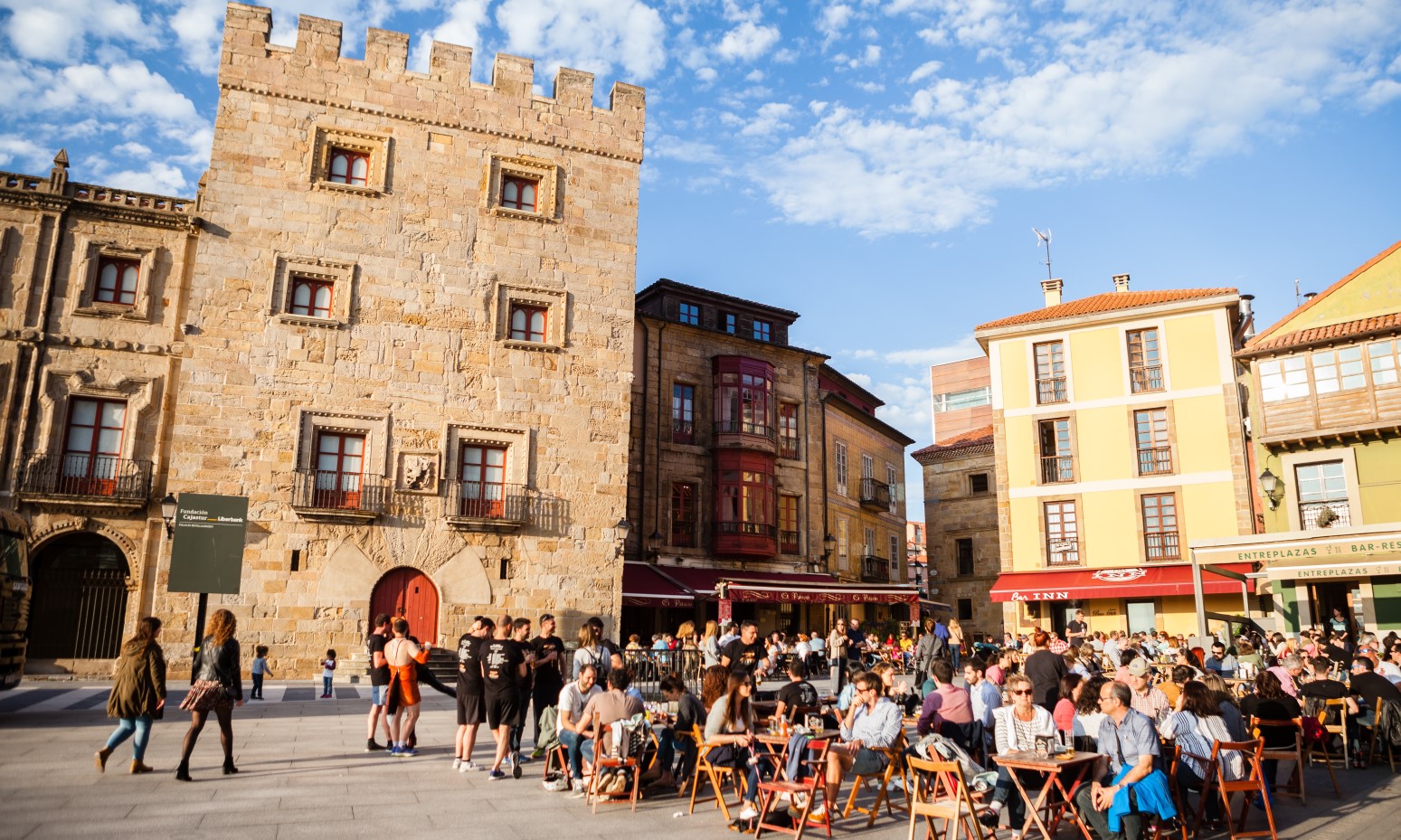
The Revillagigedo Palace is one of the examples of Asturian palace architecture that we have in our city. Although medieval in appearance due to its crenellated towers, it is actually Baroque. It has the Collegiate Church of San Juan Bautista attached to it. Next to it, the Casa Paquet, today a tourist office.
FUN FACT: in front of the palace is the monument to the Infante Don Pelayo, erected in 1891 as a tribute to the first king of the Asturian monarchy, who wears in his right hand the Cross of Victory, symbol of Asturias.
We have reached the end of our tour, but we warn you that it is essential to walk through the old town, get lost in it and chat with its inhabitants. With a little luck they will tell us a story that at first will seem implausible.
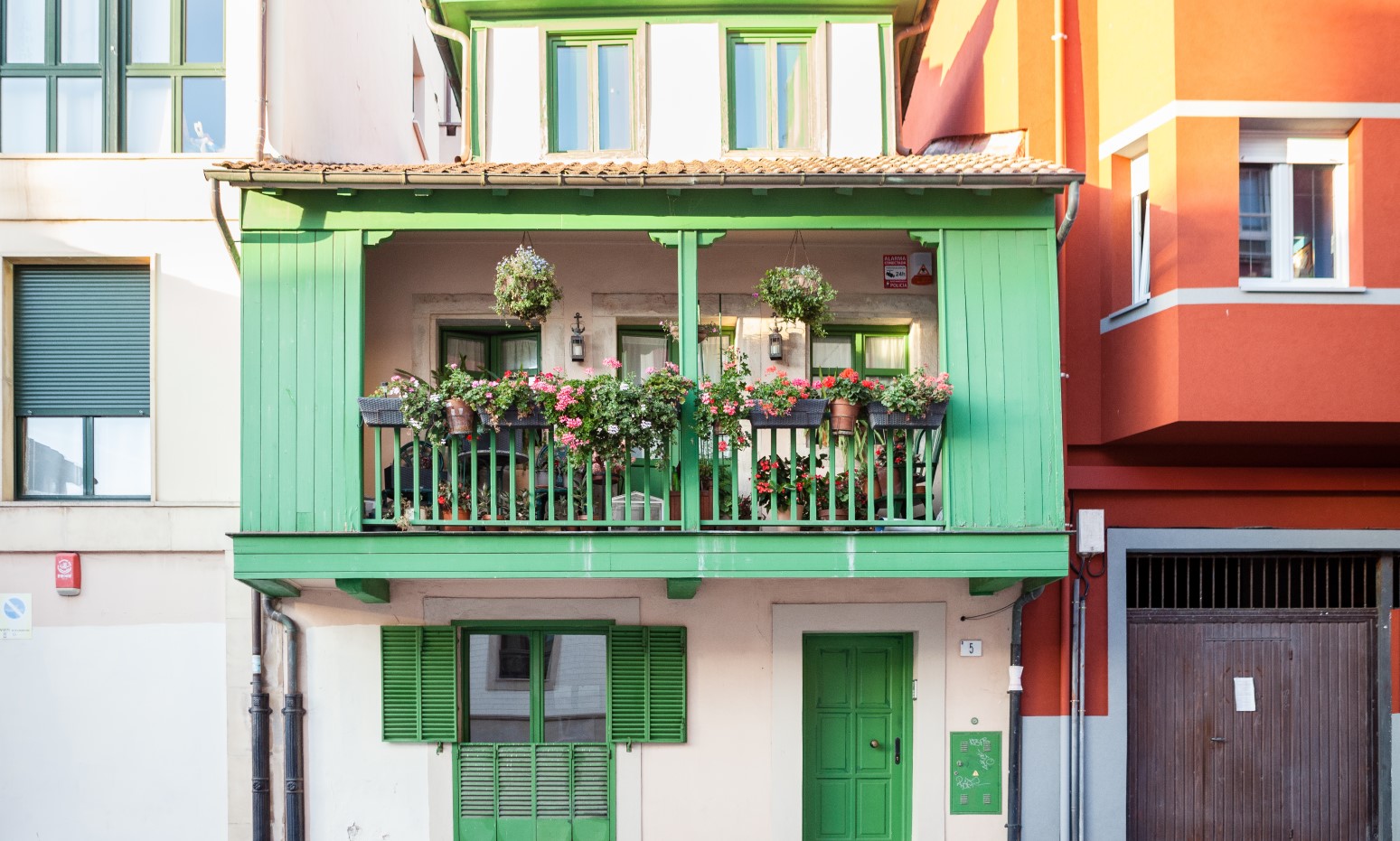
The playos, which is the name by which those born in Cimavilla are known, have been characterized by having among their neighbors characters so peculiar that they have even forged their own vocabulary, the playu.