

Recommended route to be done by sections or areas, depending on the area of Gijón/Xixón that you want to visit.
Sculptural art has undergone profound changes in recent decades. As a result of these, it now occupies forms and plots previously reserved for other artistic manifestations, also using materials that have nothing to do with the classic marble, bronze or stone. Sculptures that overflow the scale to occupy voluminous spaces, as if they were large buildings, that provide interior spaces on which we walk or under which we look outside or can take shelter, as is the case with Eduardo Chillida’s In Praise of the Horizon. From the seventies, cities were filled with open-air sculptures, public art, often not without controversy and conflicts.
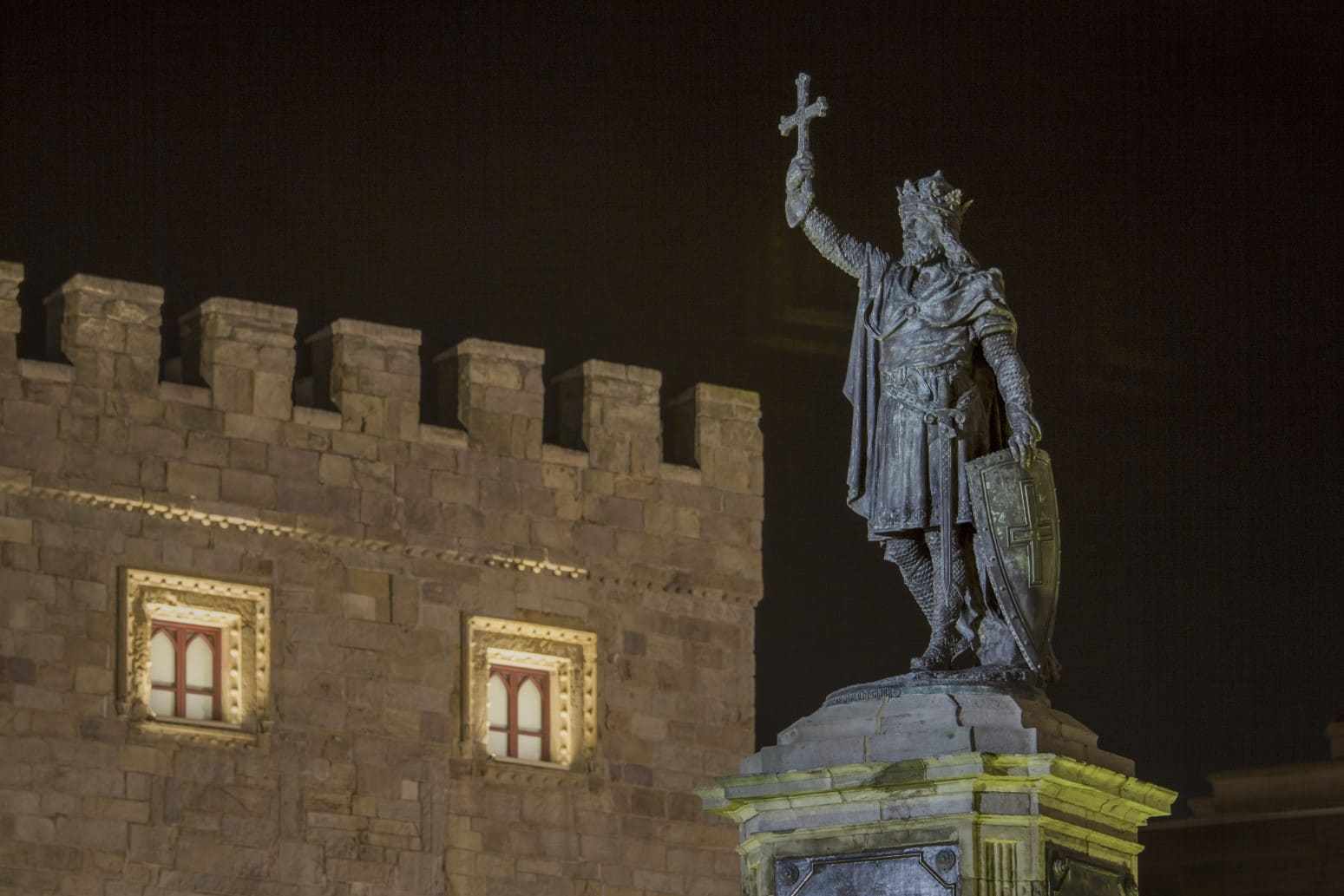
Sculptural works located in public spaces in Gijón/Xixón began to be implemented in the last decade of the nineteenth century. It was the time of the rise of the commemorative monument in Spain, characterized by large statues in bronze, stone or marble on high pedestals. Two examples of this way of understanding sculpture in public spaces remained in Gijón/Xixón: the Monument to Pelayo by José Mª López and the Monument to Jovellanos by Manuel Fuxá in 1891. This trend continued at the beginning of the twentieth century, including a variant: the bust, with representative examples of the 20s being the Monument to Evaristo San Miguel and the Monument to Manuel Orueta by Emiliano Barral, inaugurated in 1927 and the first attempt to renovate commemorative sculpture.
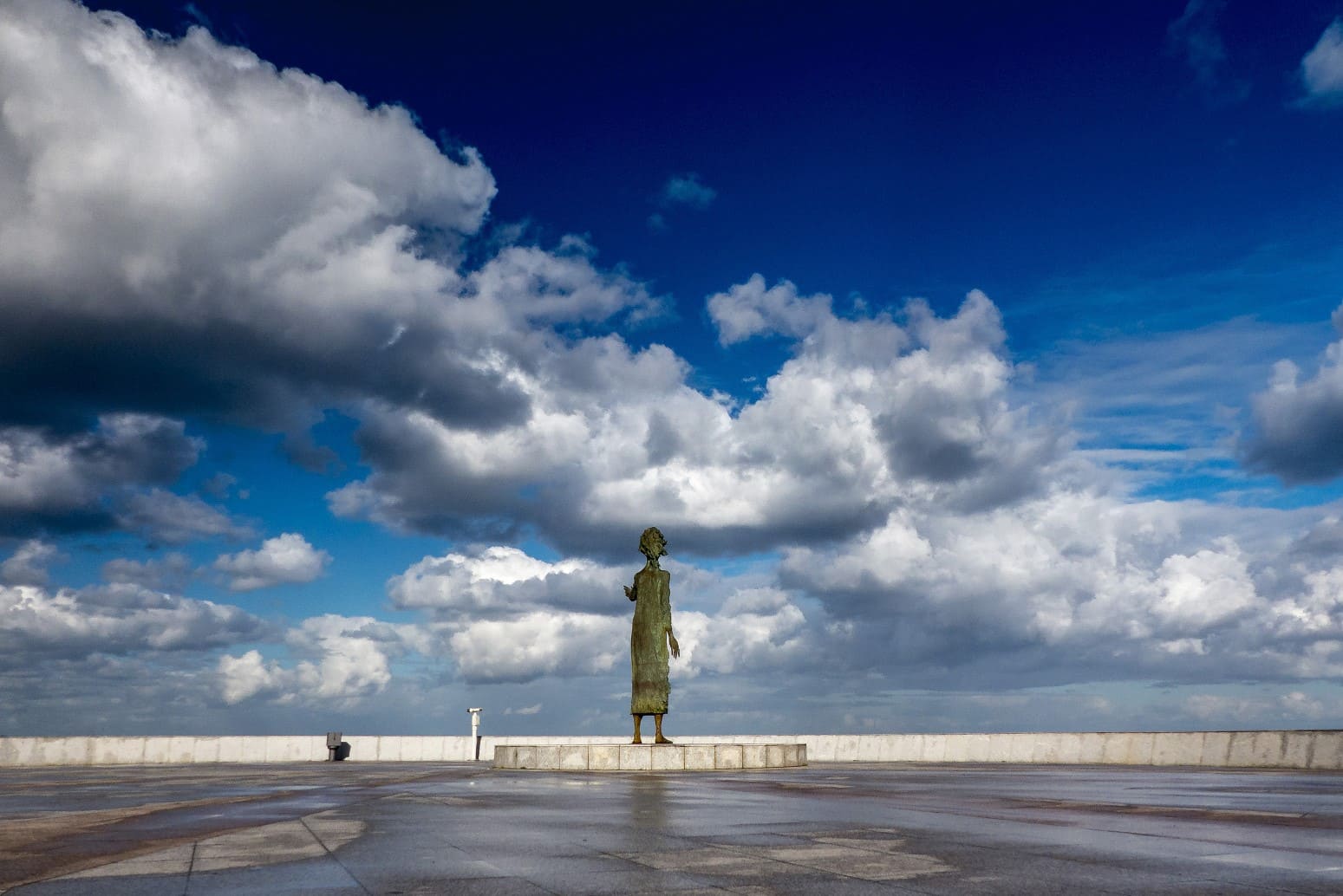
The Isabel la Católica Park, created in the 50s, hosted a large number of sculptural works, in many cases related to illustrious people from Gijón, among which the following stand out: the painters Evaristo Valle and Nicanor Piñole by Manuel Álvarez Laviada, the industrialist Romualdo Alvargonzález Lanquine by Gerardo Zaragoza; the Fleming Monument, the first in the world dedicated to the discoverer of penicillin, inaugurated in 1955 and made by the sculptor Manuel Álvarez Laviada and the architect Luis Moya. In 1970 Ramón Muriedas installed his Monument to the Mother of the Emigrant in the Rinconín, the first sculptural work of modern language installed in a public space in the city. In the 70s, the Monument to Caesar Augustus was also inaugurated.
FUN FACT: Pelayo’s sculpture is the protagonist of different moments in the Gijón/Xixón festivities. From the branching of his fountain in San Xuan, through his conversion into a ‘pourer’ during the Natural Cider Festival and, the most awaited moment of the Antroxu when, after the proclamation, the brass bands go to the Monument to disguise Pelayo as another Gijón.
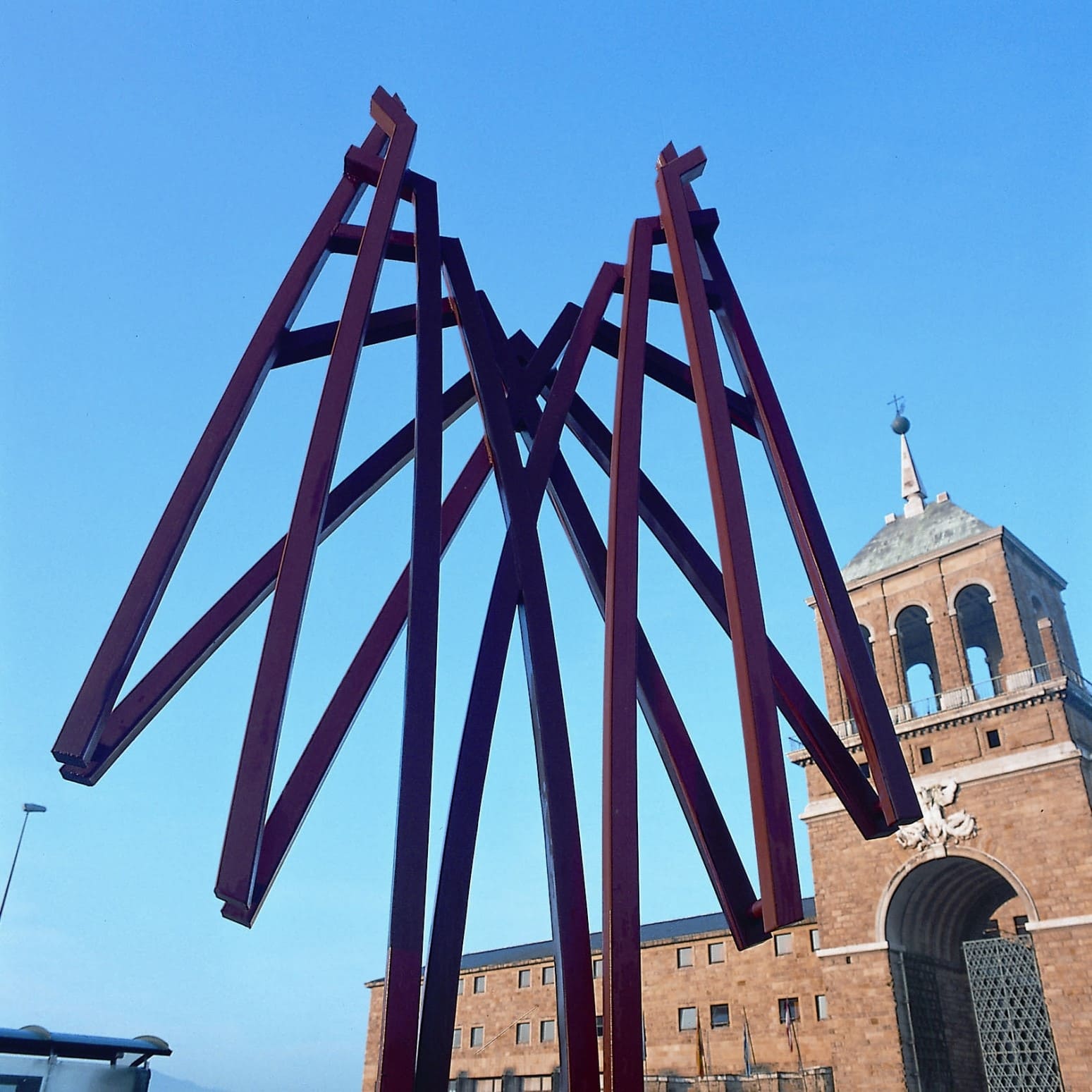
The first steps towards the renovation of public sculpture were taken in the 80s. In the new urban spaces, sculptures were installed characterized by the use of new plastic languages and materials. Examples of these creations are the Severo Ochoa Park Playground, made by Grupo G, Homage to Navigation by Vicente Vázquez Canónico and Tree of Science by Juan Zaratiegui. The ‘modernising’ trend was consolidated throughout the nineties with a new concept of sculpture, created for a specific place, designed to give a new image to the urban space and recovering the monumental scale.
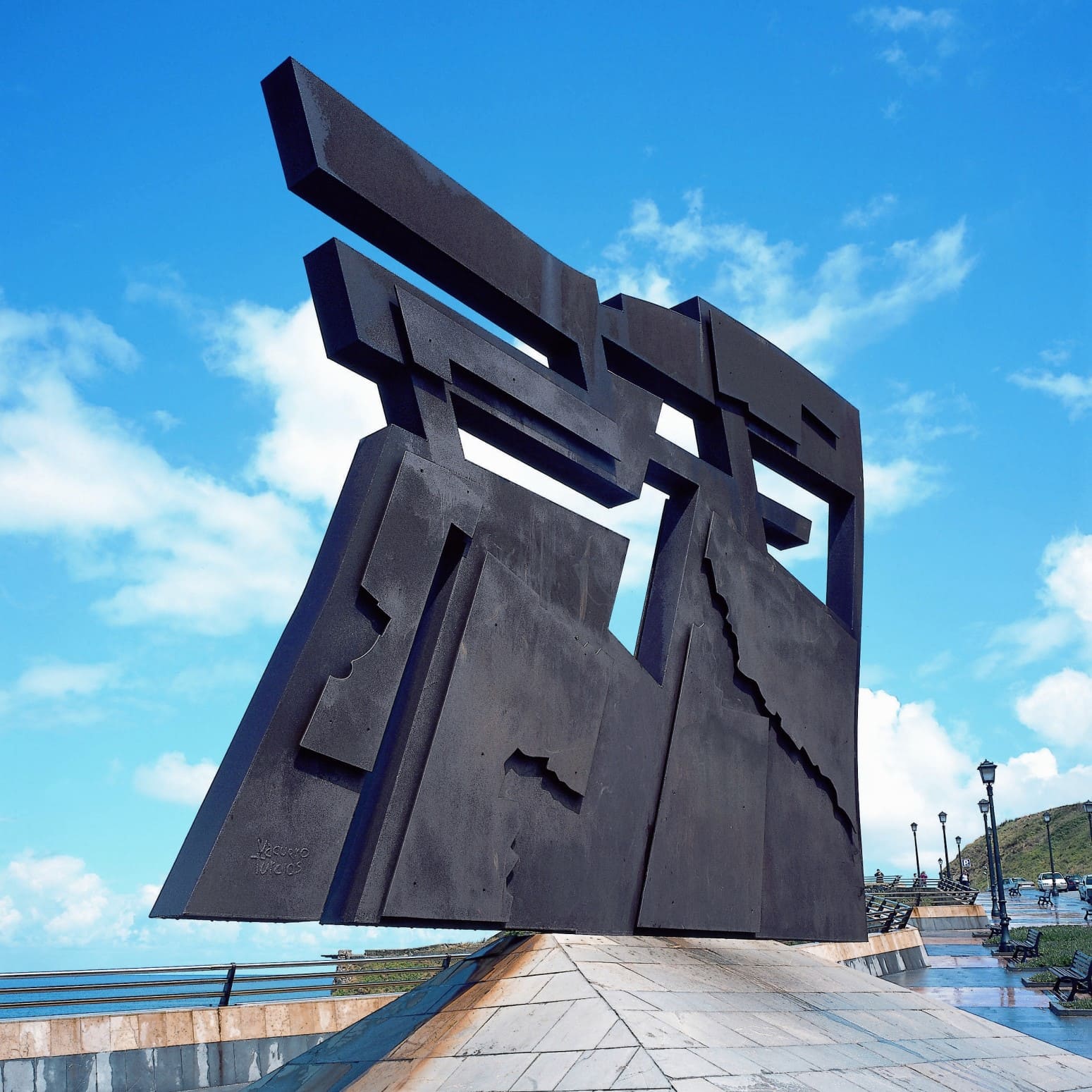
Works linked to important urban planning operations that were commissioned to significant artists. Eduardo Chillida’s In Praise of the Horizon was followed by the Monument to World Peace, by Manuel Arenas, Escalada, by Pablo Maojo, Génesis by Joaquín Rubio Camín, Nordeste, by Joaquín Vaquero Turcios and the arrangement of spaces in the Plaza del Humedal, with the Luminous Cube in Medio Arco, by Alejandro Mieres. In La Providencia, Paisaje Germinador, by Miguel Ángel Lombardía, and Homenaje a Galileo Galilei XV, by Amadeo Gabino, were installed; in the Rinconín park the united links of Solidaridad, the work of Pepe Noja; and in the Mayán de Tierra, the Shadows of Light by Fernando Alba rise.
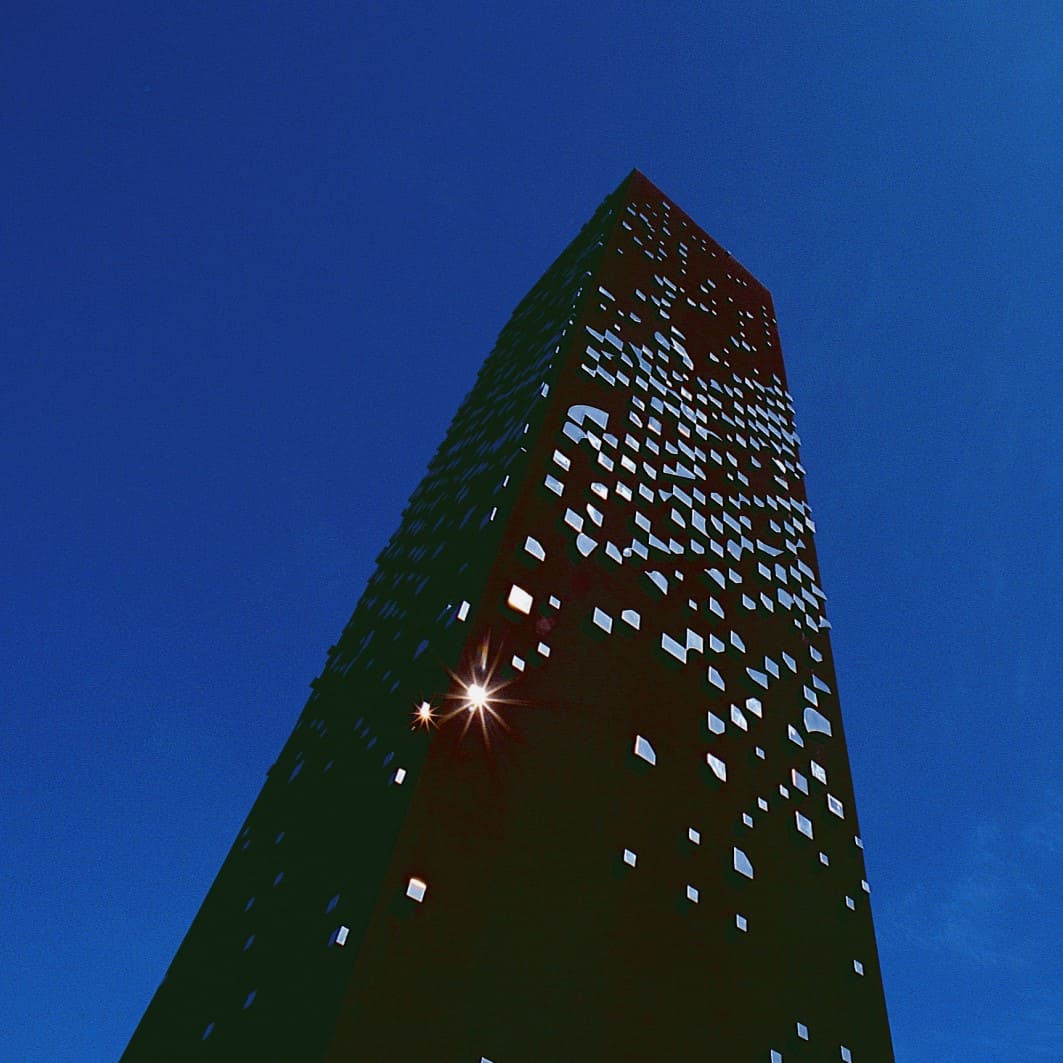
Other sculptures have seen the light of day on the threshold of two centuries: Evocation, in homage to the journalist Francisco Carantoña by J. Rubio Camín; Andarín, by Miquel Navarro; Monument to the Republic by Acisclo Manzano and Xaime Quessada; En la memoria-Na memoria, by María Jesús Rodríguez and the Torre de la Memoria by Francisco Fresno. These are joined by others of figurative tendency, such as Sentimientos by Manuel García Linares or Copulaciones by Pedro Sanjurjo Pieycha, among others. In 2001 it was installed in the Parque del Rinconín Sin Título, owned by Herminio Álvarez. Subsequently, Castillo de Salas and the Monument to the Asturians deported to the Nazi camps were installed, in the surroundings of La Providencia.
FUN FACT: Rivers of ink sparked controversy over the installation of the Elogio del Horizonte in Gijón/Xixón. However, the passage of time has made it one of the main symbols of the city, which as the author expressed at the time is ‘an open work, which lends itself to all the interpretations that want to give it’.