

The northernmost of the Camino de Santiago, the Camino de la Costa, winds through the green marina that bathes the Cantabrian Sea and has one of its stopping stations in the city and port of Gijón/Xixón.
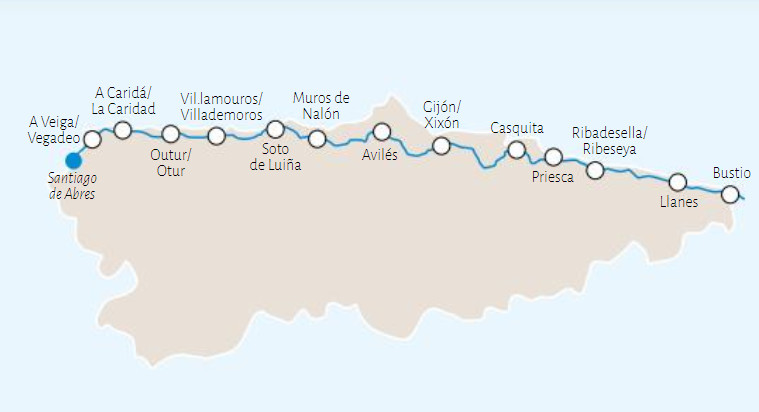
This pilgrimage route is part of the set of Jacobean itineraries and is known as the Northern Way, which also includes the road between Oviedo and Santiago de Compostela or the detour from León to Oviedo, a branch that links the coastal path with the French way that crosses the Castilian plateau.
These routes were followed by pilgrims in medieval times after the success of the miracle in Compostela, in which Alfonso II, King of Asturias, had so much to do, who through his diplomatic and religious apparatus spread throughout Europe the news of the discovery of the tomb of the apostle Santiago. The massive influx of pilgrims put the old Roman roads that crossed Asturias back into operation, such as the Vía de la Plata route.
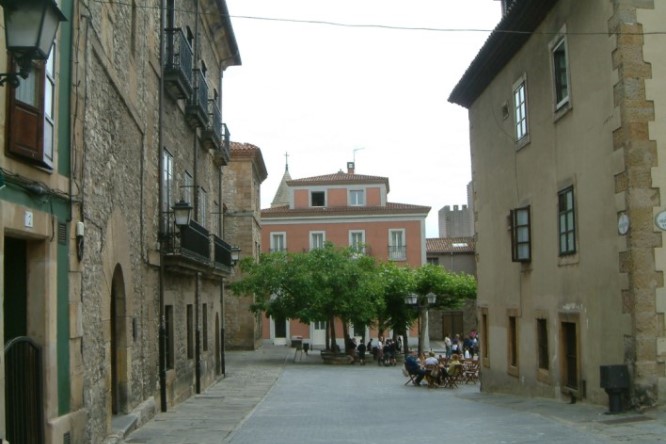
In addition, there was the proliferation of the “hostelry” of the time and the foundation of hospital institutions that provided assistance to poor pilgrims until the nineteenth century such as the Hospital de Nuestra Señora de los Remedios in Gijón/Xixón, malaterías, hermitages, churches, monasteries and religious centers. The pilgrims incorporated other routes already traveled for centuries into the Primitive Way.
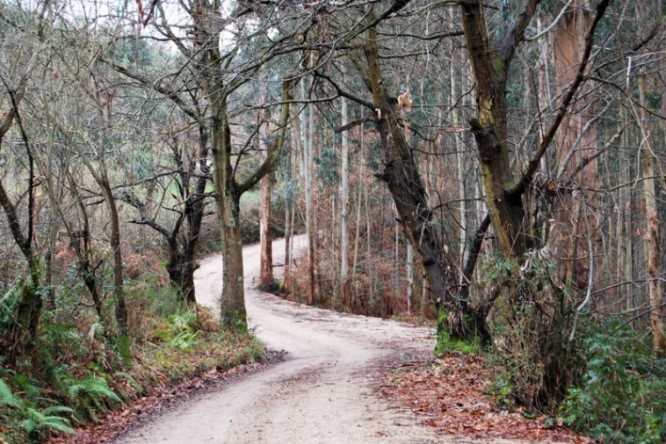
The main of these routes was the Camino del Norte or Camino Costero that begins in Irún (Guipúzcoa), crosses the coast of the Basque Country, Cantabria and Asturias, crossing its divide with Galicia in the Eo estuary, and enters Mondoñedo in search of Compostela. It was threatened for centuries by the incursions of Muslim and Norman pirates, who arrived on the north coast.
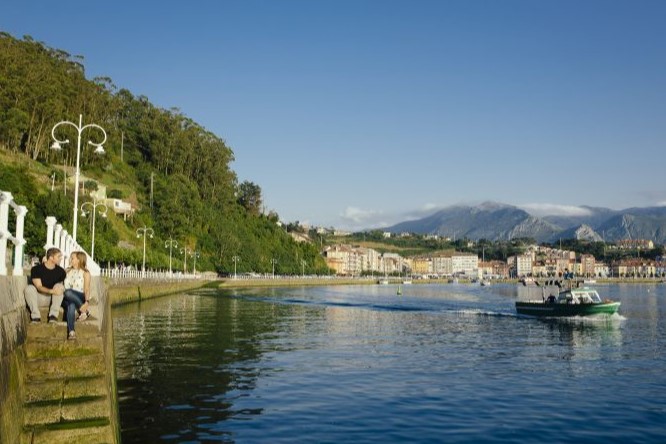
And it began to consolidate itself as a pilgrimage route during the twelfth-thirteenth centuries, with the proliferation of pilgrimages by sea and coastal navigation. In its Asturian section it visits monumental towns such as Llanes, Ribadesella/Ribesella, Villaviciosa, Gijón/Xixón, Avilés, Luarca/Lluarca or Castropol.
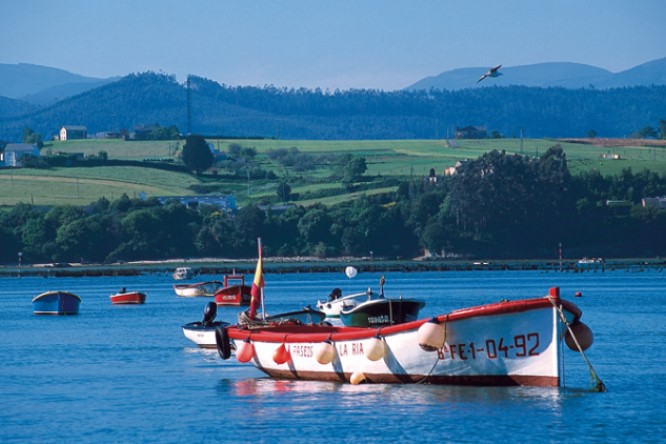
The Jacobean pilgrims left countless archaeological and documentary testimonies, as well as eloquent toponymic references to the coastal road. There is evidence that throughout the Modern Age the Coastal Way was very busy, despite not being easy or comfortable. Pilgrims had to face the passage of its wide estuaries and riverbeds by boat.
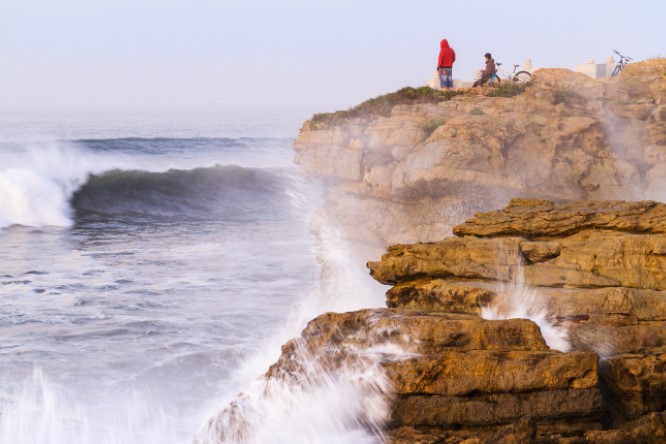
This is what Guillermo Manier, a picardy tailor, did, who in 1726 described the boat crossing of the Eo estuary as “one of the most dangerous and fearful places in all of Spain”, to which he adds, “you see the waves of the sea throwing themselves in the air against each other (…) that causes you frightful fears, that you believe at all times you have perished”.
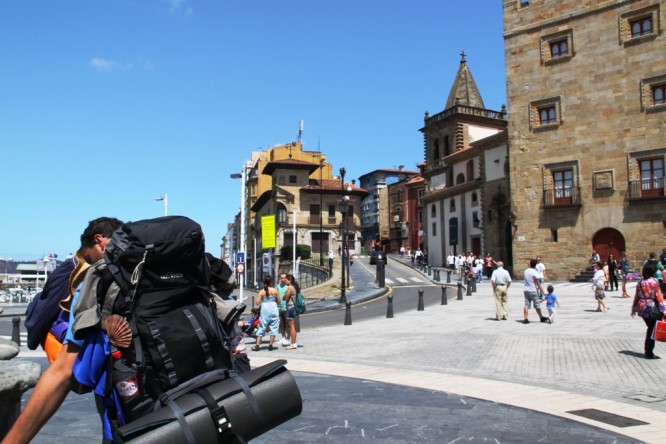
The pilgrim who chooses the Camino del Norte today will no longer live these situations, and will enjoy in exchange an experience in fusion with wild nature, away from the overcrowding of other routes, in contact with a population characterized by its hospitality and the stop in cities rich in history and stories such as Gijón/Xixón.
Accommodation options
Pilgrims’ Hostel. The Municipal Camping of Deva has several cabins to welcome pilgrims.
You can also choose to choose accommodation from the Pilgrims for Asturias Programme from hotel to hotel.